Electricity is becoming an increasingly important part of how we plan our homes. Growing demand from data centers, changing energy markets, and pressure on the power grid have made energy reliability and future utility costs harder to ignore. For Arizona homeowners, solar offers an opportunity to take a more active role in where their electricity comes from.
A well-planned solar panel installation in Phoenix, AZ can support greater energy independence, improve control over long-term energy expenses, and help prepare a property for changing demands. However, getting the most from solar starts well before panels reach the roof. Your roof’s condition, household electricity use, panel placement, and future plans all deserve careful consideration.
Start With the Roof Beneath Your Solar Panels
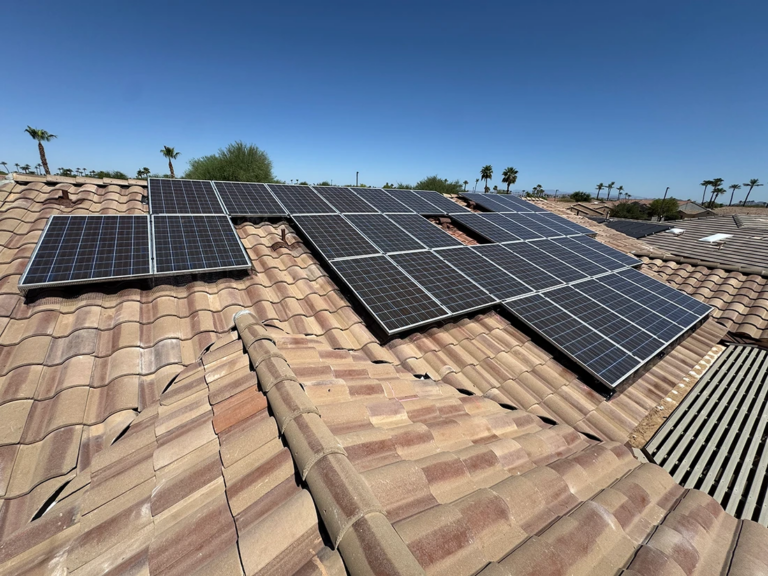
Your roof is the foundation of a rooftop solar system. Its condition, layout, orientation, and available space all influence how effectively panels can be installed and positioned.
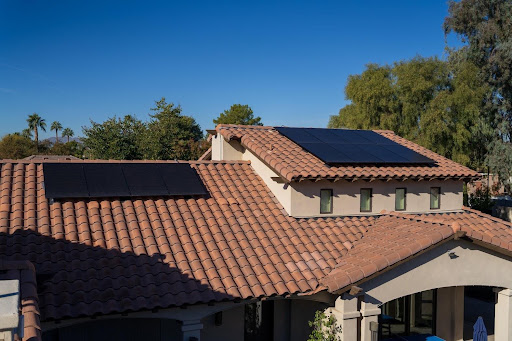
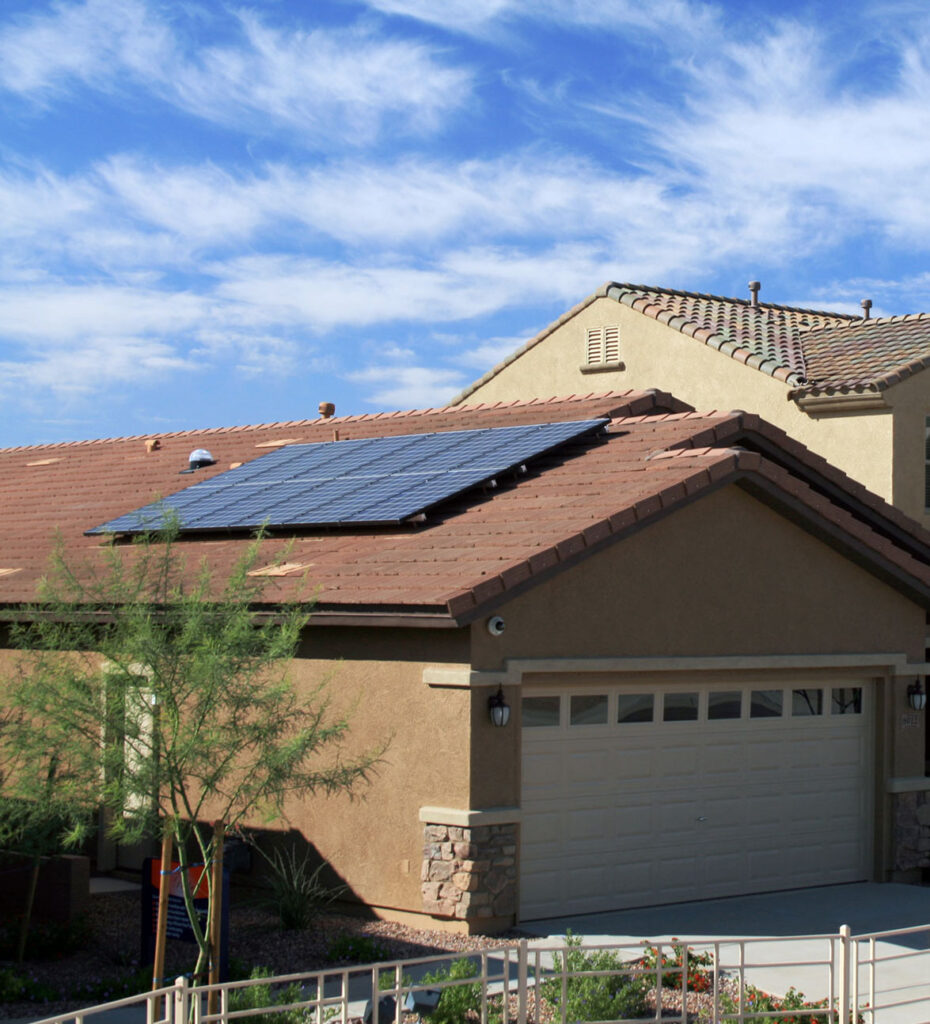
Arizona homes feature several roof types, including concrete tile, asphalt shingles, and flat or foam roofing. Each presents different considerations for mounting equipment, protecting waterproofing, and planning panel placement. Roof slopes, shading, and obstructions also affect the usable area available for solar.
Before installation, qualified professionals should assess whether the roof is suitable for the proposed system. American Solar & Roofing qualifies roofs before installing solar, helping identify relevant concerns before work begins. A separate, comprehensive roof inspection is not necessarily required for every project.
If your home may need a roof replacement in the coming years, discuss that possibility before committing to a system. Coordinating major roofing work with solar planning can reduce the likelihood of having to remove and reinstall panels later.
Understand How Your Home Uses Electricity
Solar planning should begin with your household’s actual energy consumption, not a generic system size. Two large homes in the same neighborhood can have very different electricity demands.
Air conditioning is a major consideration in Arizona, where extended periods of extreme heat can increase cooling requirements. Pool equipment, electric vehicles, home offices, workshops, and other electrical loads also influence consumption.
Review your utility bills across different seasons. Look for patterns in monthly usage and consider how your household operates during the hottest months.
Ask yourself:
- How much electricity does your home use throughout the year?
- Which appliances and systems account for the greatest demand?
- Are you planning to add an electric vehicle or other major electrical equipment?
- Could renovations change how much energy your household needs?
These answers help experienced solar installers develop a system around your property rather than relying on assumptions. They also provide a useful starting point for discussing expected production and the portion of your electricity needs solar may cover.
Size the System for Your Property and Future
Once your energy use is understood, the next step is determining an appropriate system size. More panels do not automatically mean a better outcome. The goal is to match expected solar production with your consumption, roof capacity, and practical project requirements.
A qualified solar energy company should consider annual electricity use, seasonal demand, roof orientation, shading, and available panel space. It should also explain how utility rates and applicable export rules affect the value of the electricity your system produces.
Think beyond your current routine, too. An electric vehicle, a remodeled kitchen, or changes to your household could increase future demand. Planning for these possibilities now can help you avoid designing a system that no longer fits your needs a few years later.
Solar is a long-term property decision. The right design should reflect how you expect to live, not simply how you use electricity today.
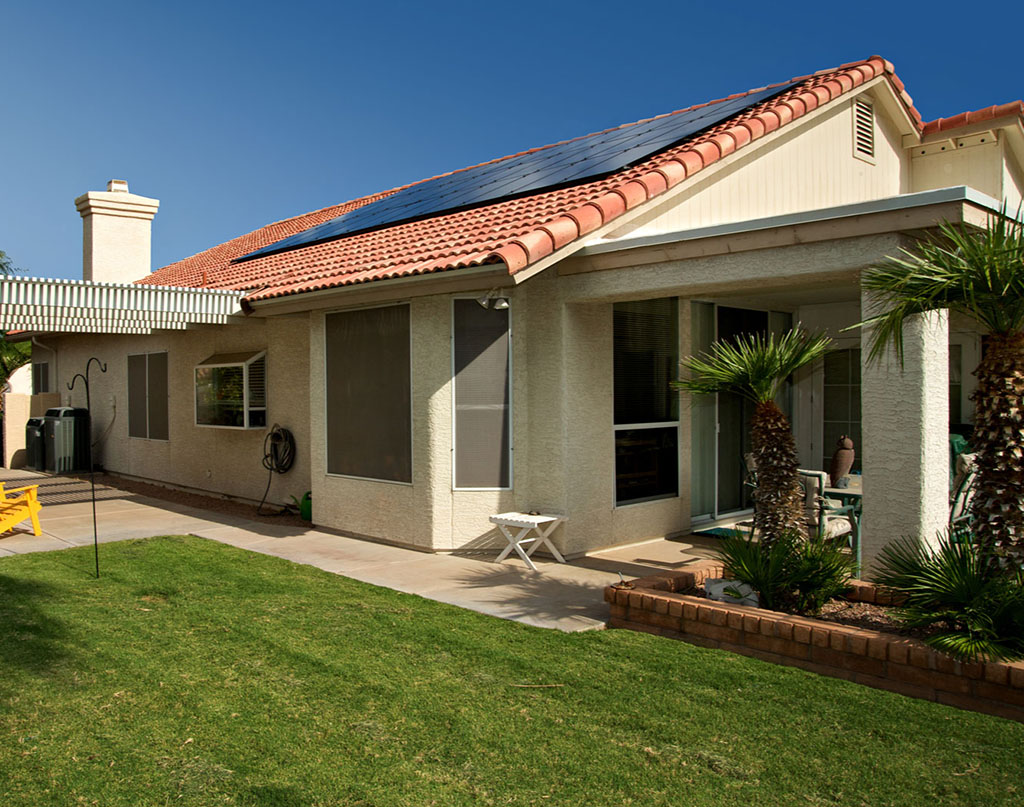
Plan for Reliability, Not Just Today’s Conditions
Energy resiliency means creating a home that can adapt as circumstances change. Solar can help you produce more of your own electricity and reduce your exposure to some utility price fluctuations. Your results will depend on system performance, electricity rates, and your utility’s billing and export policies.
However, solar panels alone do not guarantee uninterrupted power during a grid outage. Most standard grid-connected systems shut down during outages for safety unless they have specifically designed backup capabilities. Understanding this distinction helps you make informed decisions about what your system can and cannot provide.
A thoughtful solar system installation should also account for future electrical demands and the practical limitations of your property. Discuss system monitoring, maintenance, equipment warranties, and expected production with your installer. These details matter when you want your investment to remain useful over the long term.
For Arizona homeowners, resiliency starts with a sound roof, quality construction, and energy systems designed around the home. Solar can become an important part of that foundation, giving you greater control over your energy future without relying on promises of complete independence.
Make Your Home’s Energy Future a Deliberate Choice
Your home should be prepared for more than the conditions you face today. A considered solar project begins with understanding your roof, your energy consumption, and the changes you anticipate over time.
American Solar & Roofing brings solar and roofing expertise together to help homeowners make informed decisions about their properties. If you are considering a project in Phoenix, Arizona, explore the experience of our team and discuss your property’s requirements with qualified professionals.
Ready to take the next step? Request a solar installation quote tailored to your home, or contact American Solar & Roofing to discuss your goals.
Live Life Your Way. Build a stronger foundation for tomorrow by making thoughtful energy decisions today.
Frequently Asked Questions
1. Is my roof suitable for solar panel installation in Phoenix, AZ?
Roof suitability depends on its condition, material, orientation, available space, and shading. A qualified solar installer should assess these factors before installation to determine whether the roof can accommodate the proposed system.
2. How do I determine the right solar system size for my Arizona home?
The right system size depends on your household’s annual electricity use, seasonal cooling demands, roof capacity, and future energy needs. Reviewing utility bills and discussing planned additions, such as an electric vehicle, can help your installer recommend a suitable design.
3. Should I replace my roof before installing solar panels?
If your roof may need replacement soon, consider coordinating roofing work with solar installation. Addressing necessary roof repairs or replacement beforehand can help avoid the disruption of removing and reinstalling solar panels later.
4. Will solar panels keep my home powered during a grid outage?
Standard grid-connected solar systems generally shut down during a power outage for safety reasons. Solar panels alone do not guarantee uninterrupted electricity, so homeowners should understand their system’s capabilities and limitations when planning for energy resiliency.
5. How can solar installation help make my Arizona home more resilient?
Solar can help homeowners produce more of their own electricity and reduce exposure to some utility price fluctuations. Combined with quality roofing and thoughtful property planning, it can contribute to a home better prepared for changing energy demands and future conditions.