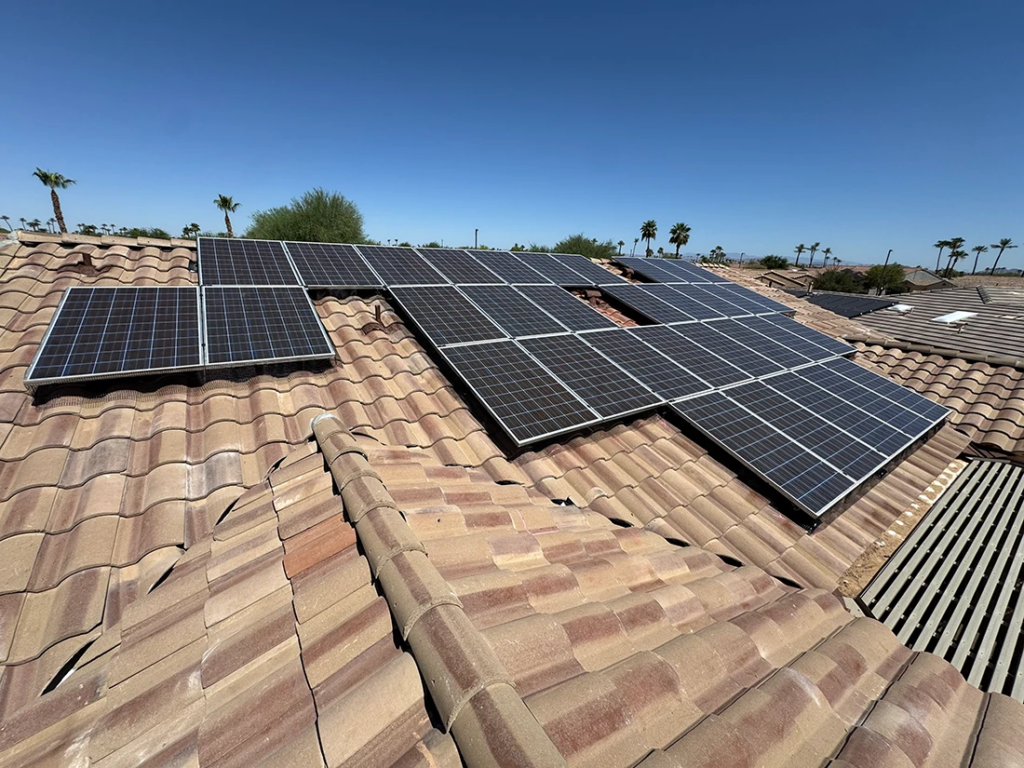
A resilient home is built to handle change. It has a sound roof, reliable construction, and thoughtful energy systems that help homeowners maintain greater control over their future. As electricity demand grows and utility costs fluctuate, the ability to produce power at home becomes an increasingly important part of long-term property planning.
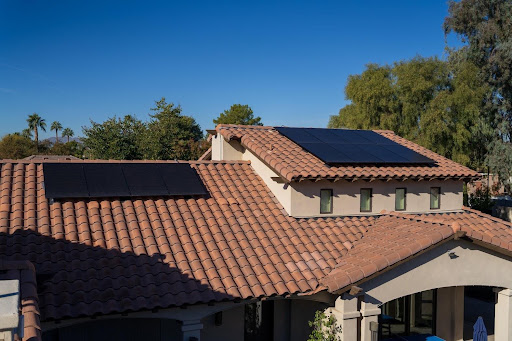
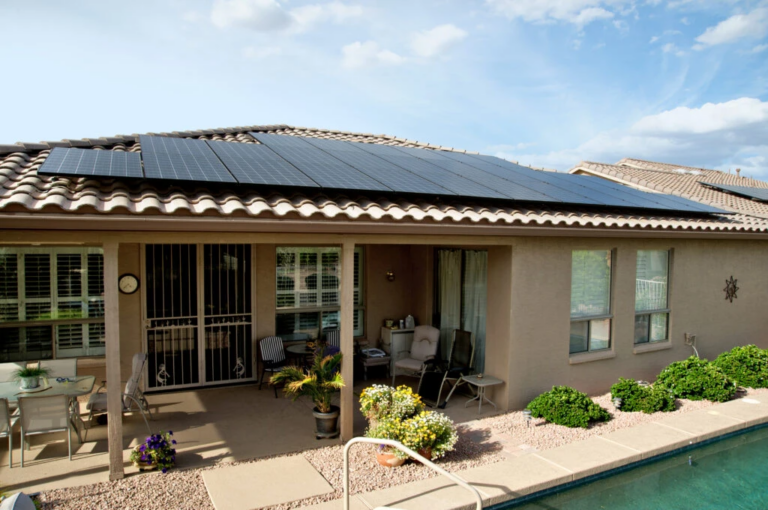
For homeowners in Phoenix, solar offers a way to build that flexibility into their properties. A well-designed residential solar installation in Phoenix, AZ can generate electricity on-site and reduce reliance on power purchased from the grid. It cannot eliminate every disruption or guarantee lower bills in every situation. However, it can give homeowners another valuable option as energy needs evolve.
American Solar & Roofing sees solar as a catalyst for the modern home. When energy systems and roofing work together, homeowners can build for lasting performance, greater independence, and the freedom to Live Life Your Way.
Energy Resiliency Starts With More Options
Electricity has become an essential resource for nearly every part of daily life. Cooling systems, home offices, appliances, security equipment, and connected devices all depend on a reliable supply. In Arizona, where summer temperatures place significant demands on air conditioning, dependable power matters especially much.
At the same time, electricity demand is changing. Data centers, population growth, and expanding electrification are adding pressure to energy infrastructure. Grid constraints and changing fuel and utility costs can create uncertainty for households planning years ahead.
Homeowners cannot control every factor affecting the energy market. They can, however, make deliberate choices about how their properties use and produce electricity.
Working with experienced solar installers is one way to explore those choices. A properly designed system can generate power during sunny hours, helping supply some of the home’s electricity needs. The actual benefit depends on system capacity, household consumption, utility rates, and the rules governing how exported electricity is credited.
This is the practical meaning of energy resiliency: building greater flexibility into a home’s energy plan instead of relying entirely on circumstances outside your control.
Build for the Future, Not Just Today’s Conditions
Energy resiliency starts with understanding how your home uses electricity. A larger home with multiple cooling zones, guest suites, a pool, or extensive outdoor living spaces may have very different energy demands from a smaller property.
Before planning a solar system installation, consider three important factors:
- Your energy consumption: Review 12 months of utility bills to understand how much electricity your household uses and when demand peaks.
- Your roof’s suitability: Roof age, condition, orientation, shading, and available space all influence system design. Your roof should be qualified before installation, with any necessary work addressed in advance.
- Your long-term plans: Consider future renovations, additions, electric appliances, and changes in household energy use.
These details help determine whether solar aligns with your property and priorities. In Phoenix, Arizona, abundant sunshine creates strong potential for solar generation, but every home requires an individual assessment.
Your Roof Is Part of Your Energy Strategy
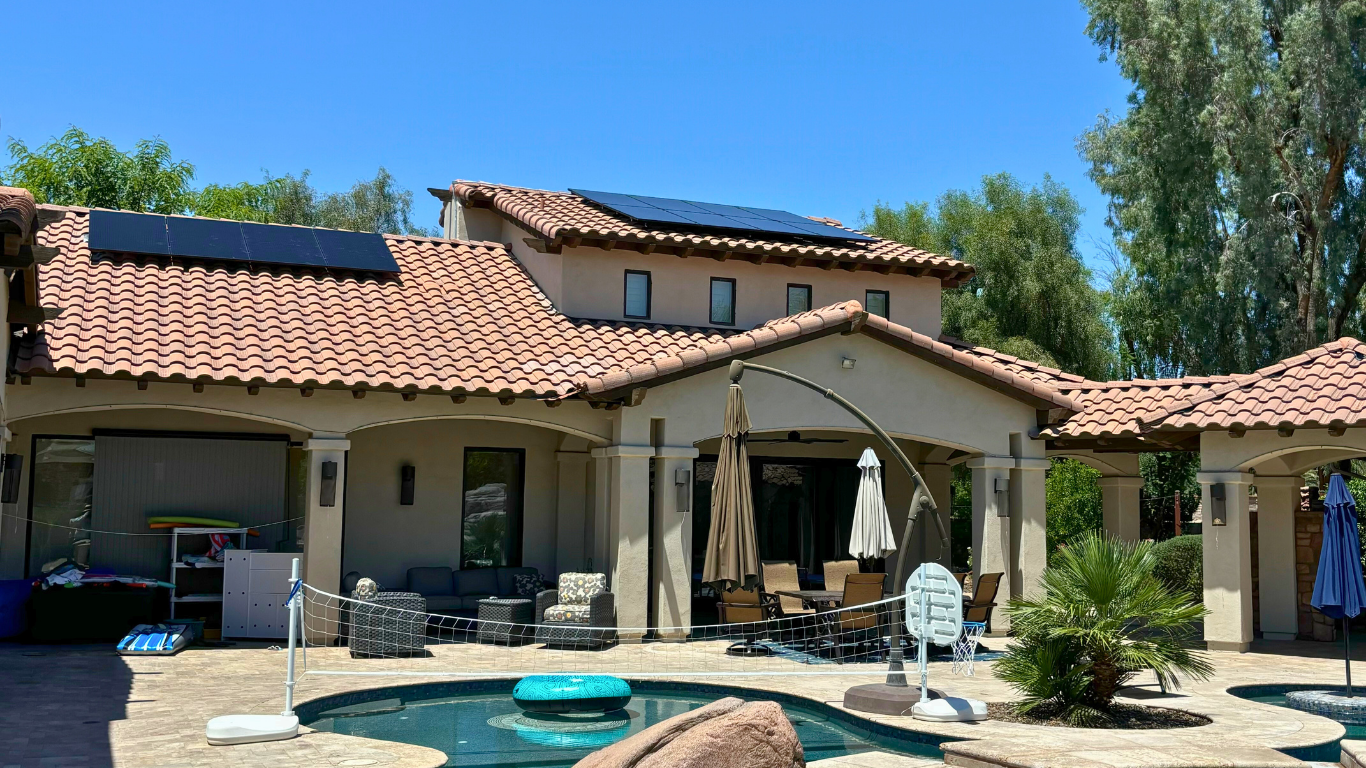
A solar system has a long working life, so the roof beneath it deserves careful consideration. Installing panels on a roof nearing the end of its service life can create additional work later, when the panels may need to be removed and reinstalled for roof replacement.
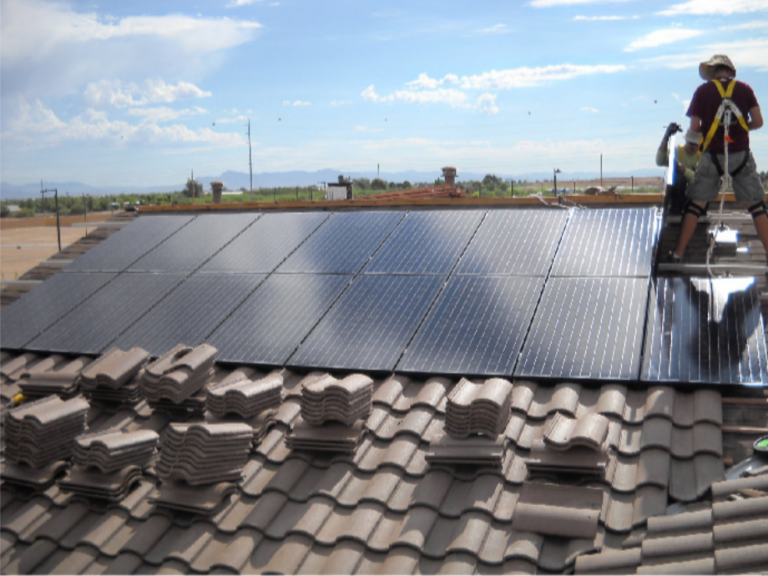
American Solar & Roofing brings solar and roofing expertise together. The team qualifies each roof before installation and considers how the existing structure and roofing materials affect the project.
This coordinated approach helps homeowners make informed decisions about timing, roof protection, and long-term maintenance. It also supports the broader goal of building a property that can perform reliably for decades.
Resiliency does not mean predicting every future challenge. It means creating a strong foundation today, so your home has more options when circumstances change tomorrow.
Make a Deliberate Investment in Your Home
Solar deserves the same careful planning as any major home improvement. Review the proposed system’s expected production, equipment, installation scope, utility rate plan, and applicable export credits. Ask how the system is expected to perform and what costs may remain on your utility bill.
A credible proposal should explain both the benefits and the limitations. Solar does not guarantee immunity from outages, eliminate every utility charge, or automatically make a property energy independent. Its value depends on how well the system fits your home and energy needs.
American Solar & Roofing takes an educational, no-pressure approach to these decisions. The goal is to recommend a solution that makes sense for your property, rather than treating every home as the same project.
Plan a More Resilient Home
Your home should support the life you want to lead, today and years from now. Thoughtful solar planning can help you gain greater control over your energy use while protecting the property that matters to you.
Explore the American Solar & Roofing team, request a personalized solar installation quote, or contact the team to discuss your home’s energy goals.
Build a stronger foundation for the future. Live Life Your Way.
Frequently Asked Questions
1. How does residential solar installation improve energy resiliency?
Residential solar allows homeowners to generate electricity on-site, reducing reliance on power purchased from the utility grid. The level of energy independence depends on system design, household consumption, and utility policies.
2. Can solar panels help Phoenix homeowners manage rising electricity costs?
Solar panels can reduce the amount of electricity a household purchases from its utility, helping limit exposure to changing rates. Actual savings depend on energy usage, system production, utility rate structures, and export credit policies.
3. What should homeowners consider before installing solar panels?
Homeowners should review their electricity consumption, roof condition, orientation, shading, available space, and long-term energy needs. Qualifying the roof before installation helps ensure the property is suitable for the planned system.
4. Does residential solar guarantee uninterrupted power during an outage?
No. Standard grid-connected solar systems generally shut down during a grid outage for safety reasons. Homeowners should understand how their proposed system operates during outages and what level of energy independence it can realistically provide.
5. Why should roofing and solar be considered together?
Roofing and solar work together to support a home’s long-term performance. Coordinating roof requirements with solar installation can help homeowners plan for durability, avoid unnecessary future work, and protect their property’s long-term value.