
Electricity is becoming a more important consideration in how we design and manage our homes. Artificial intelligence data centers, expanding electrification, and other energy-intensive activities are increasing attention to grid capacity and future utility costs. For homeowners in Phoenix, Arizona, these changes raise a practical question: Is your home prepared for tomorrow’s energy needs?
A thoughtful home solar installation in Phoenix, Arizona can be part of the answer. The goal is not to predict exactly how the energy market will change. It is to make informed decisions today that give your household greater control over its energy production and prepare your property for changing circumstances. That is what resiliency means: creating strong foundations now so you have more options later.
Why Electricity Demand Deserves More Attention
Electricity demand is changing as new technologies and energy-intensive industries expand. AI data centers require substantial amounts of power to process information and support digital services. At the same time, electric vehicles, home electrification, and increasingly sophisticated appliances are changing how households consume electricity.
These trends do not mean every neighborhood will experience outages or sudden price increases. However, they highlight the importance of grid capacity, infrastructure investment, and long-term energy planning. Utility rates can also change for several reasons, including fuel costs, infrastructure improvements, and regulatory decisions.
Homeowners cannot control these broader developments. They can, however, consider how their properties generate and consume energy. For many households, that starts with understanding current electricity usage and deciding whether generating some of their own power fits their long-term plans.
Build Energy Resiliency Into Your Home
Resiliency means having the foundation to adapt when circumstances change. A resilient home combines sound construction, a dependable roof, and thoughtfully planned energy systems.
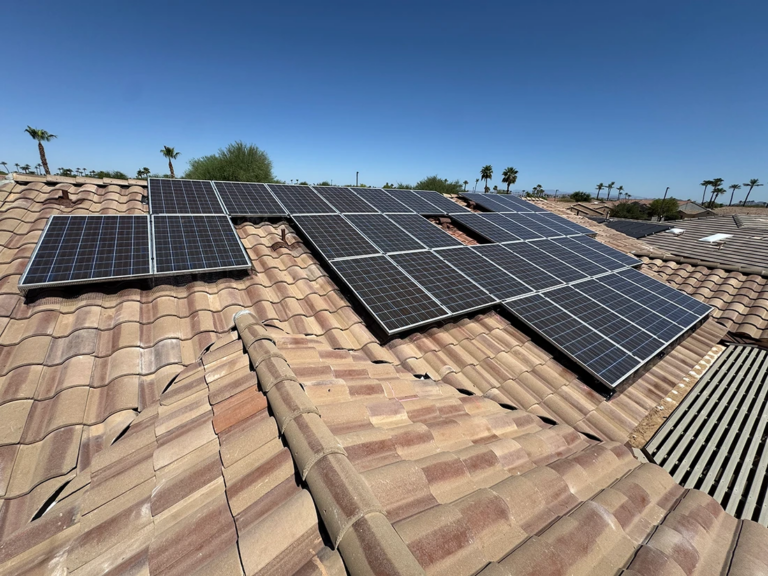
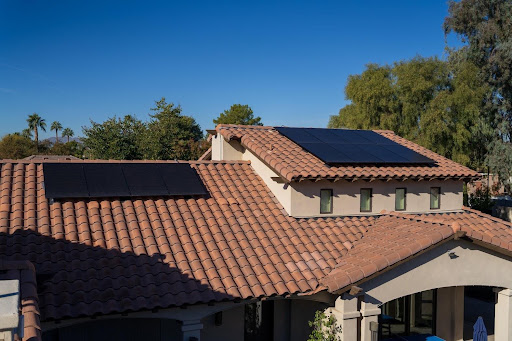
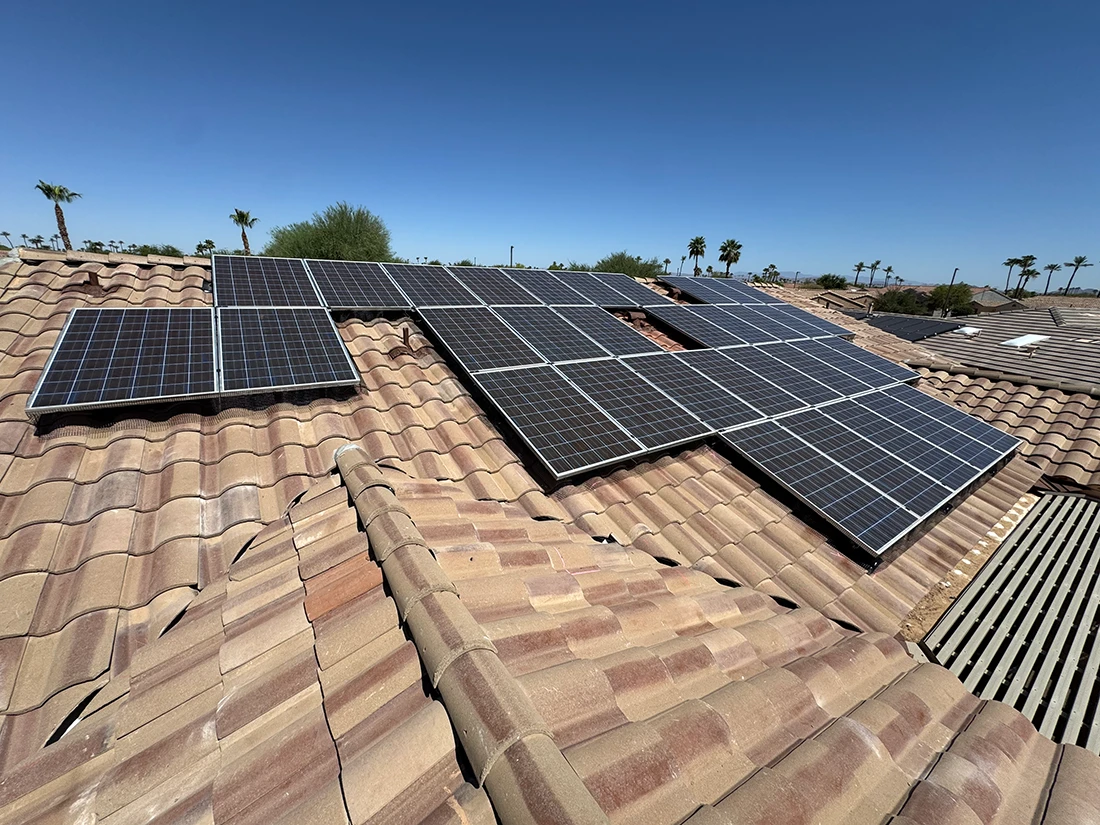
Solar can contribute to that approach by generating electricity on your property. Instead of relying entirely on utility-supplied power, your household can produce a portion of its electricity through a properly designed solar array. Actual production depends on system size, roof orientation, shading, weather, and household consumption.
This makes solar a planning decision rather than a reaction to alarming headlines. Experienced solar contractors can evaluate your property’s suitability and explain how a system could fit your energy goals.
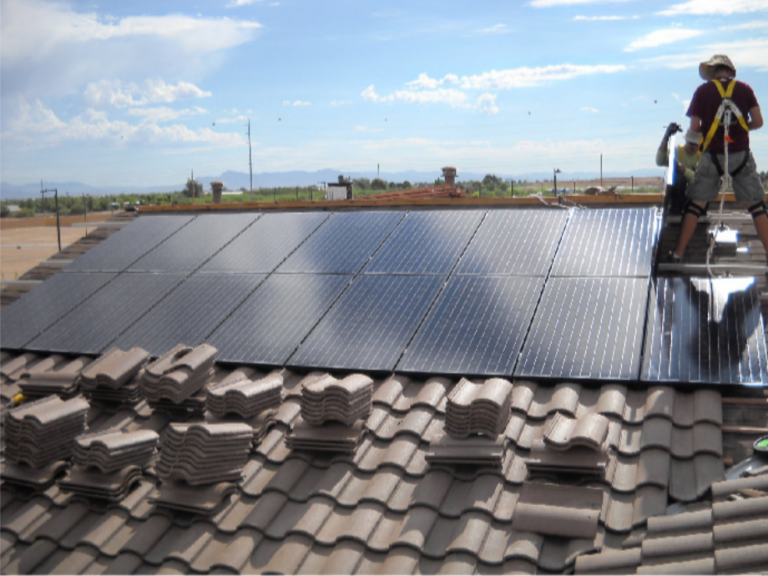
The roof itself also deserves consideration. Its condition, layout, and available space influence where equipment can be installed. Before proceeding, contractors should qualify the roof for solar suitability. Coordinating roofing and solar expertise helps homeowners make decisions with the entire property in mind.
Plan for the Home You Will Have Tomorrow
Your electricity needs today may differ considerably from your needs ten years from now. You might add an electric vehicle, update major appliances, expand your living space, or introduce new technology that increases consumption.
A well-planned system begins with these possibilities, not just the latest utility bill. When discussing solar panels, consider the following questions:
- How much electricity does your household currently use?
- Which changes could increase consumption over the next several years?
- How much suitable roof space is available?
- Will future home improvements affect the roof or solar layout?
- What system configuration aligns with your long-term priorities?
These questions help establish realistic expectations. They also provide a more useful starting point for evaluating solar installation cost than relying on a generic estimate. Equipment, system capacity, roof characteristics, electrical requirements, and installation complexity can all affect the final price.
Understand What Solar Can and Cannot Do
Solar generation can reduce the amount of electricity a home draws from the utility, depending on when the system produces power and how the household uses electricity. The financial outcome depends on system performance, utility rates, compensation rules, and other project-specific factors.
However, a standard grid-connected solar system does not automatically provide electricity during a grid outage. Many systems shut down during outages for safety unless they include compatible equipment designed to provide backup power. Solar alone should not be presented as a guarantee against blackouts or rising utility bills.
A responsible solar installation company will explain these limitations alongside the potential benefits. Homeowners can then weigh energy production, system design, utility arrangements, and long-term plans without relying on promises that no contractor can guarantee.
Make a Thoughtful Decision for the Future
Energy resiliency starts with understanding your property and making decisions that support your priorities. Solar may be one part of that strategy, alongside quality roofing, efficient appliances, and sensible energy management.
American Solar & Roofing brings solar and roofing expertise together to help Arizona homeowners plan improvements with the whole property in mind. If you are considering solar installation in Phoenix, AZ, start by reviewing your home’s needs and exploring a system designed around them.
You can meet our experienced team to learn about the people behind your project, request a solar installation quote based on your property, or contact American Solar & Roofing to discuss your plans.
Live Life Your Way. Build a stronger foundation today, so your home is better prepared for tomorrow.
Frequently Asked Questions
1. How can solar panels help Phoenix homeowners prepare for rising electricity demand?
Solar panels allow homeowners to generate electricity on their property and reduce reliance on utility-supplied power. Actual savings and energy production depend on system design, household consumption, utility rates, and local compensation rules.
2. Does a standard solar system keep a home powered during a grid outage?
Not necessarily. Standard grid-connected solar systems typically shut down during outages for safety. Homeowners should discuss their system’s capabilities with a qualified solar contractor rather than assume solar alone provides backup power.
3. What should homeowners consider when planning a solar installation for the future?
Homeowners should consider current electricity usage, anticipated changes such as electric vehicle charging, roof condition, available space, and long-term energy goals. These factors help determine the appropriate system configuration for the property.
4. Why does roof condition matter when installing solar panels in Phoenix?
Roof condition, structure, orientation, and available space can influence solar panel placement and installation requirements. Qualifying the roof for solar suitability before installation helps ensure the proposed system is appropriate for the property.
5. How does solar contribute to a more resilient home?
Solar can help homeowners produce more of their own electricity and reduce exposure to changing utility costs. Combined with quality roofing and thoughtful home improvements, it can support a resilient property designed to adapt to changing energy needs.