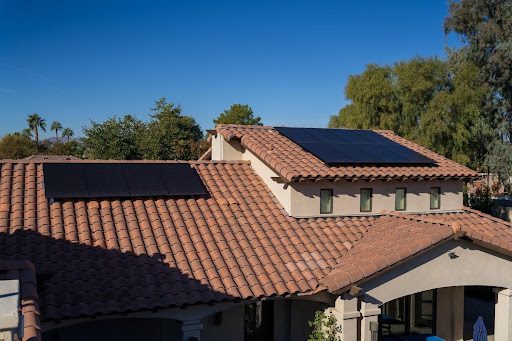
A solar proposal can look impressive at first glance. There may be dozens of panels, a large production estimate, attractive savings projections, and a polished presentation.
But the biggest number on the page is rarely the most important one.
When comparing solar installers, homeowners should look beyond panel count and focus on how the entire system was designed. Roof condition, energy use, production assumptions, equipment, warranties, installation practices, and long-term service can have a much greater effect on your experience.
Energy is becoming more valuable as demand grows and reliability matters more. That makes choosing a solar system a long-term infrastructure decision, not simply a purchase of panels.
At American Solar & Roofing, we believe a proposal should help you understand that decision clearly.
Start With the Roof, Not the Panel Count
One of the easiest mistakes is comparing proposals by asking which one includes the most panels.
More panels do not automatically mean a better system.
Your roof has a specific orientation, layout, slope, shading pattern, and usable area. Its condition also matters. Before installing solar, we qualify the roof to make sure it is suitable for the project.
That distinction is important. A roof does not always require a formal inspection before solar installation, but it does need to meet the requirements for a successful installation.
For homeowners considering solar panel installation in Phoenix, the proposal should explain how the roof influenced the system design.
Ask questions such as:
- Which roof areas will hold the panels?
- How was shading considered?
- How does the roof layout affect production?
- Is the existing roof suitable for the planned installation?
- How will the system be accessed and maintained?
The answers tell you much more than panel count.
Look Closely at Production Assumptions
A proposal should explain what the system is expected to produce and why.
Your home’s electricity consumption is different from your neighbor’s. Pool equipment, air conditioning, electric vehicles, occupancy, and daily habits can all affect energy use.
That is why a quality home solar installation begins with your actual energy profile rather than a generic household average.
Production estimates also deserve scrutiny. Ask what assumptions were used to calculate expected production and whether the design accounts for the home’s roof orientation and available sunlight.
The goal is not simply to find the largest projected number. It is to understand whether the projection makes sense for your property.
A reputable solar energy company should be willing to explain the assumptions behind its proposal in plain language.
Read the Equipment Section Carefully
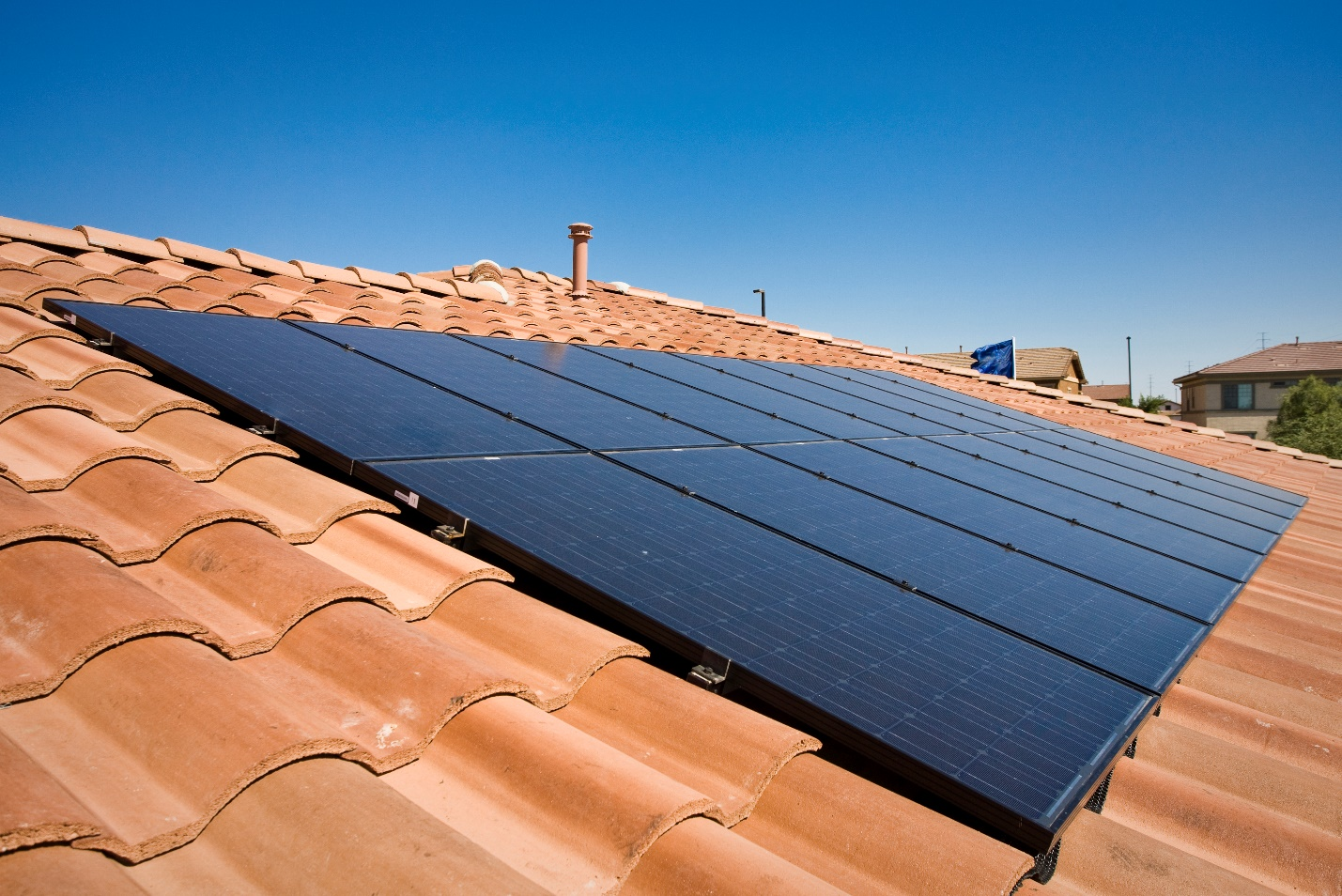
A proposal should tell you what equipment is being installed and how those components work together.
Look beyond the brand name. Understand what type of panels and inverter are included, how the equipment is supported, and what warranties apply.
This is where a proposal becomes more useful than a simple sales presentation.
The best solar panel installers should be able to explain why particular equipment fits your home. They should also make clear which warranties come from the manufacturer and which protections come from the contractor.
At American Solar & Roofing, our solar installations include manufacturer warranties for equipment, along with a 2-year workmanship warranty. Our approach is to use durable products and focus on the quality of the installation itself.
Do not assume every warranty covers the same thing. Ask who handles a claim, what is covered, and how service is handled if something goes wrong.
Service Matters After Installation
A solar system is designed to operate for years. Your relationship with the contractor should not end when the installation crew leaves.
This is one area where proposals can be easy to overlook.
Ask whether the company has an established service department. Find out who you contact if production falls, an inverter displays an error, or another system issue appears.
Our in-house service department provides diagnostics, repairs, and system inspections. We also help homeowners who no longer have access to their original installer.
That long-term support can matter just as much as the installation itself.
When you hire solar installers, you are choosing the people responsible for putting an important part of your home’s energy infrastructure on the roof. Their ability to support that system later deserves attention before you sign.
Ask Who Is Accountable for the Work
A proposal should make it clear who is responsible for your project.
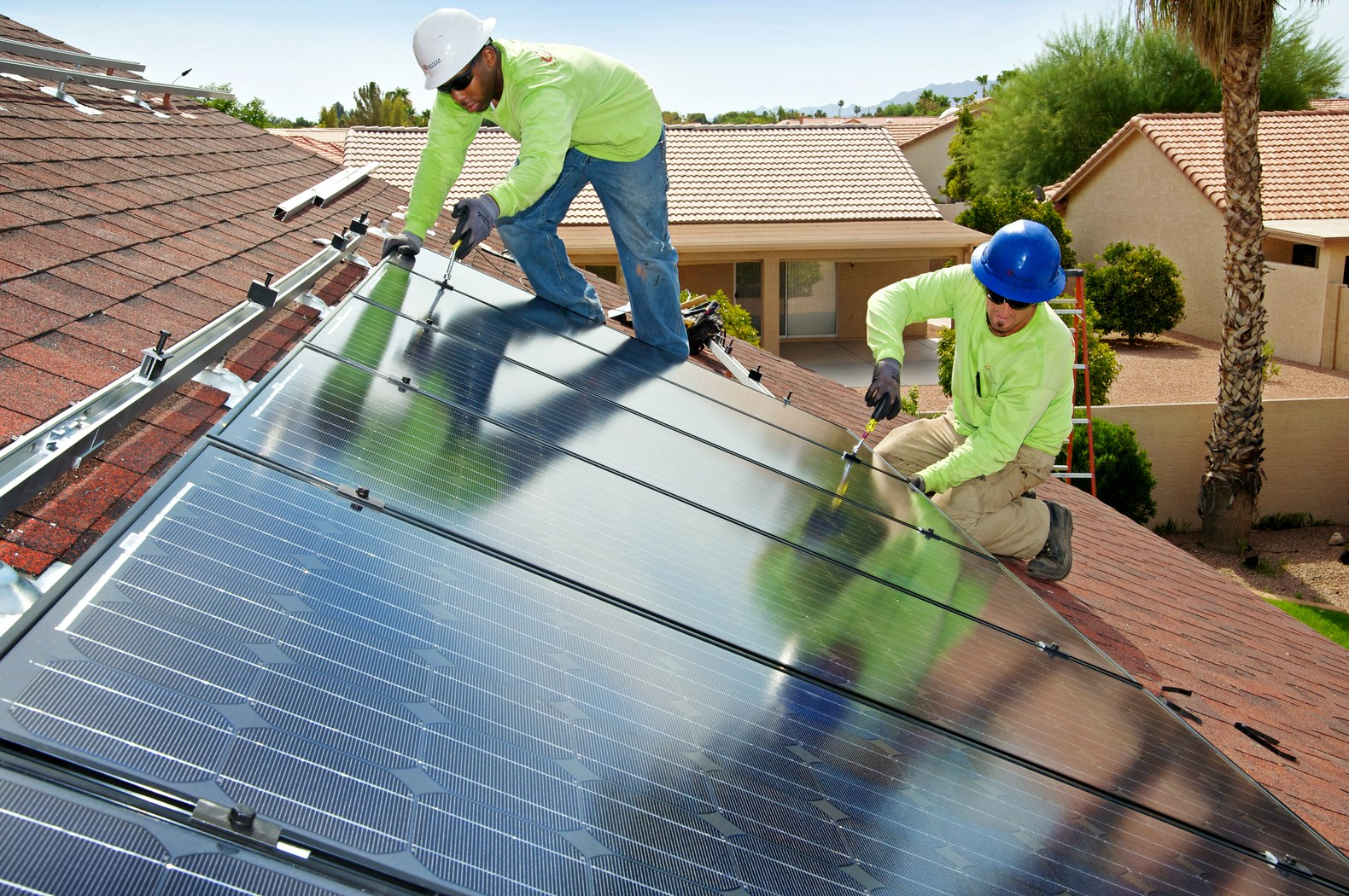
Ask about the installation team, project management, communication, permitting, inspections, and activation. You should understand what happens between signing the agreement and turning the system on.
Our installation process includes site surveying, engineering, permitting, installation, inspection, and activation. We use in-house installers and coordinate the process from beginning to end.
That level of accountability is especially important when comparing solar installation companies that may structure their projects differently.
The lowest number on a proposal does not tell you how a company handles problems.
A strong proposal should give you confidence that someone will still answer the phone after the panels are producing power.
Do Not Let Price Become the Entire Conversation
Price matters, but it should be evaluated alongside everything included in the proposal.
When reviewing solar installation cost, consider the design, equipment, workmanship, warranties, permitting, installation process, service support, and expected production.
Two proposals with similar prices can represent very different levels of planning and support.
Likewise, a proposal with a higher price may include features or services that explain the difference.
Instead of asking only, “What does solar cost?” ask, “What exactly am I receiving for that cost?”
That question leads to a much better comparison.
The Right Proposal Makes the Decision Clearer
A good proposal should leave you with fewer questions, not more.
You should understand why the system was designed the way it was, how the roof was qualified, what production is expected, which equipment will be installed, what warranties apply, and who will support the system afterward.
That is what we believe a solar proposal should do.
Solar is the catalyst of a modern home. The right system can help you live life your way, but the quality of that system starts long before the first panel reaches the roof.
If you are comparing solar installation quotes in Phoenix, look past the panel count. Look at the thinking behind the proposal.
Read Your Proposal With Confidence
If you are evaluating solar for your Phoenix home, our team can help you understand the details that matter. Learn more about our team, request a solar installation quote, or contact our solar company to discuss your project.
Live life your way. Start with a proposal built around your home.