A home that works beautifully today may have very different energy needs ten years from now. An electric vehicle joins the garage. Kitchen appliances become more advanced. A growing family adds living space, or new technology increases daily electricity use. Meanwhile, utility costs and grid conditions can change in ways homeowners cannot control.
Planning for these changes starts before installation. A well-designed solar system should reflect how you live today while allowing room for tomorrow’s priorities. For homeowners considering solar system installation in Phoenix, AZ, the goal is to build energy resiliency through thoughtful planning, quality construction, and greater control over where household power comes from.
Energy resiliency is about having options when circumstances change. American Solar & Roofing approaches solar and roofing as connected parts of a home’s long-term performance, helping homeowners make decisions that support the property for years to come.
Start With How Your Energy Needs Could Change
Your electricity bills reveal how much energy your household uses now. They cannot fully predict what you will need in the future.
Consider the changes you may make over the next decade:
- Electric vehicles: Charging at home can add a substantial new electricity demand.
- Home additions: Extra bedrooms, offices, or guest suites may increase cooling and lighting requirements.
- Appliance upgrades: Induction cooktops, electric water heaters, and other equipment can change household consumption.
- Smart home technology: Additional devices and automation may gradually increase everyday electricity use.
- Lifestyle changes: Working from home or accommodating more family members can shift when and how you use power.
These possibilities should inform the initial system design. A qualified solar team can review historical electricity usage, discuss planned upgrades, and estimate how future changes might affect demand.
The objective is not to install the largest possible array. It is to make informed decisions about capacity, roof space, and potential expansion before the project begins.
Make Sure the Roof and Electrical System Are Ready
A solar array is a long-term addition to your property. The roof and electrical infrastructure beneath it need to support that investment.
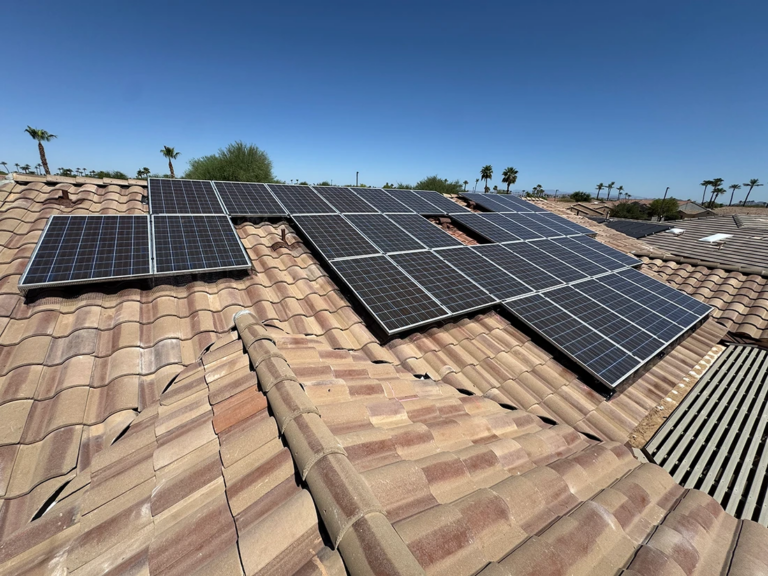
Arizona’s intense summer heat and seasonal monsoons make roof condition especially important. Tile roofs, for example, may look sound while their underlying waterproofing materials have aged. Roof suitability should be established before installation, with any necessary improvements coordinated before panels are mounted.
Electrical capacity deserves equal attention. An electric vehicle charger or a future home addition may require changes to your electrical panel or circuits. Identifying these needs early helps prevent avoidable rework.
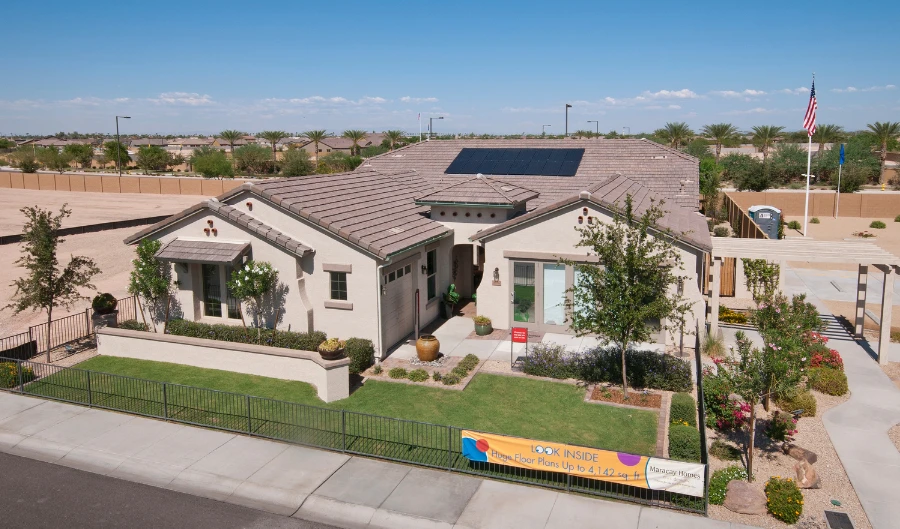
Experienced solar installers should also consider roof orientation, shading, usable surface area, and expected energy production. These details determine how the system fits your property and whether its design aligns with your goals.
Think Beyond Today’s System Capacity
A future-ready design starts with realistic expectations. Review your current electricity consumption and identify likely changes before deciding on system capacity.
Ask your installer to explain:
- Expected production: How much electricity could the proposed system generate under your roof’s conditions?
- Future demand: How might planned upgrades affect your household’s consumption?
- Expansion options: Could additional panels be accommodated if your needs increase?
- Electrical limitations: Would future equipment require infrastructure upgrades?
- Utility arrangements: How will your rate plan and rules for exported electricity affect the system’s value?
Expansion is not always straightforward. Available roof space, electrical equipment, utility requirements, and system compatibility can limit future additions. Planning ahead helps you understand these constraints before committing.
For a substantial property, this level of detail matters. Thoughtful residential solar installation should complement the home’s architecture and anticipated use, rather than rely on assumptions about how the household will operate indefinitely.
Build Resiliency Into Your Long-Term Plans
Energy is becoming more valuable as electricity demand grows. Data centers, changing consumption patterns, and pressure on energy infrastructure have brought greater attention to grid reliability and utility costs. Local outages and changing utility rates remain important considerations for homeowners.
Producing some of your own electricity can provide greater control over energy costs, although savings depend on system performance, utility rules, and household consumption. Standard grid-connected solar also does not automatically provide electricity during a grid outage.
For homeowners in Phoenix, Arizona, resiliency means making practical decisions today that preserve flexibility tomorrow. A sound roof protects the property. A properly designed solar system can reduce dependence on purchased electricity. Together, these investments support a home prepared for changing circumstances.
American Solar & Roofing brings roofing and solar expertise together, helping homeowners evaluate the property as a whole. Its approach begins with education, so recommendations reflect the home’s requirements and the owner’s long-term plans.
Plan for the Home You Want Tomorrow
Your energy needs will evolve. Your solar system should begin with a clear understanding of where you are today and where you expect to go.
American Solar & Roofing can help you evaluate your roof, review your electricity usage, and explore a system designed around your home. Meet the team, request a solar installation quote, or contact American Solar & Roofing to discuss your plans.
Live Life Your Way. Build a stronger foundation for the next 20 years.
Frequently Asked Questions
1. How can I plan a solar system around my home’s future energy needs?
Review your current electricity usage and consider future changes, such as adding an electric vehicle, expanding your home, or upgrading appliances. A qualified solar installer can help evaluate these needs and determine an appropriate system design.
2. Is my roof suitable for solar panel installation in Phoenix, AZ?
Roof condition, orientation, shading, usable space, and underlying materials all influence solar suitability. Qualifying the roof before installation helps identify potential concerns and determine whether any improvements are needed before panels are mounted.
3. Can I expand my residential solar system as my electricity needs increase?
Expansion may be possible, depending on available roof space, electrical capacity, equipment compatibility, and utility requirements. Discussing potential future upgrades during the initial design helps you understand your options and limitations.
4. Does residential solar provide electricity during a power outage?
Standard grid-connected solar systems generally shut down during a grid outage to protect utility workers and equipment. Homeowners should understand their system’s operating requirements and discuss their energy resilience goals with a qualified installer.
5. How does solar installation contribute to a more resilient home?
Solar can reduce reliance on purchased electricity and help homeowners manage exposure to changing utility rates. When combined with a sound roof and well-planned electrical infrastructure, it supports a home designed to adapt to changing needs over time.