Energy is becoming an increasingly valuable resource. Rising utility costs, grid uncertainty, and growing electricity demand are changing how homeowners think about their properties. Generating your own electricity can offer greater control over future energy needs, but a dependable system starts with the structure supporting it.
For homeowners considering solar installers in Phoenix, AZ, the roof deserves as much attention as the equipment installed above it. A solar array is a long-term addition to your property. Its performance depends on thoughtful design, proper mounting, effective waterproofing, and a roof that is qualified for installation. When solar and roofing are planned together, homeowners can strengthen both energy resiliency and building resiliency.
A Solar Investment Starts With the Roof
Solar panels can generate electricity for many years, making the condition of the roof beneath them an important consideration. Installing a system without accounting for roof age, material condition, and structural requirements can create avoidable complications later.
Before installation, the roof must be qualified to determine whether it is suitable for the proposed system. This process considers relevant roof conditions and installation requirements. It does not necessarily mean every project requires a formal roof inspection.
For homeowners planning solar panel installation, this distinction matters. A qualified roof gives the installation team a stronger foundation for making decisions about panel placement, mounting methods, and long-term performance.
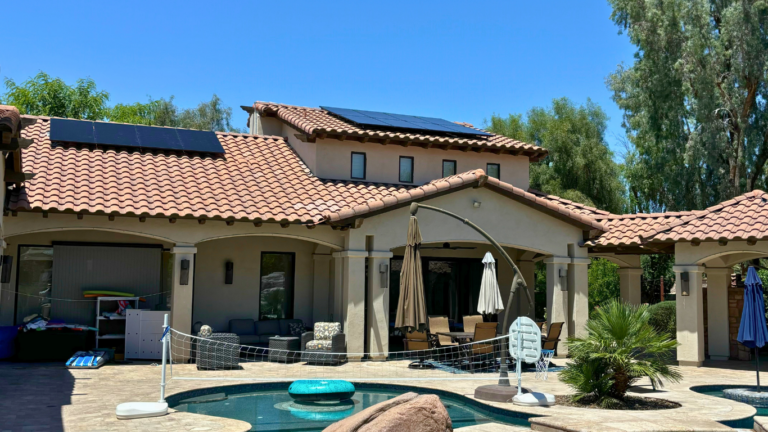
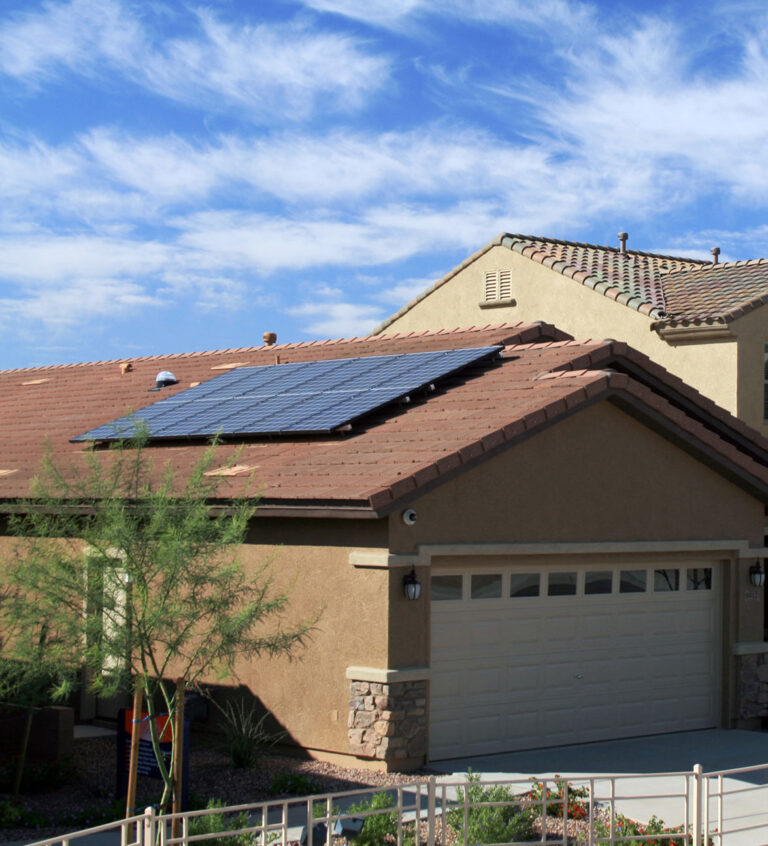
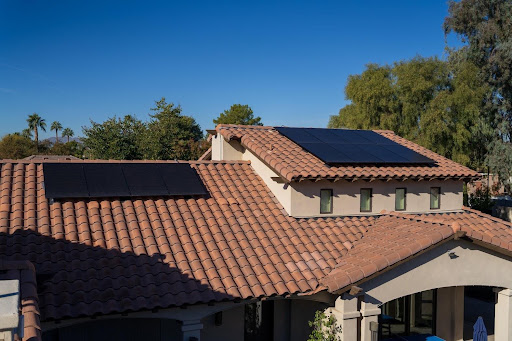
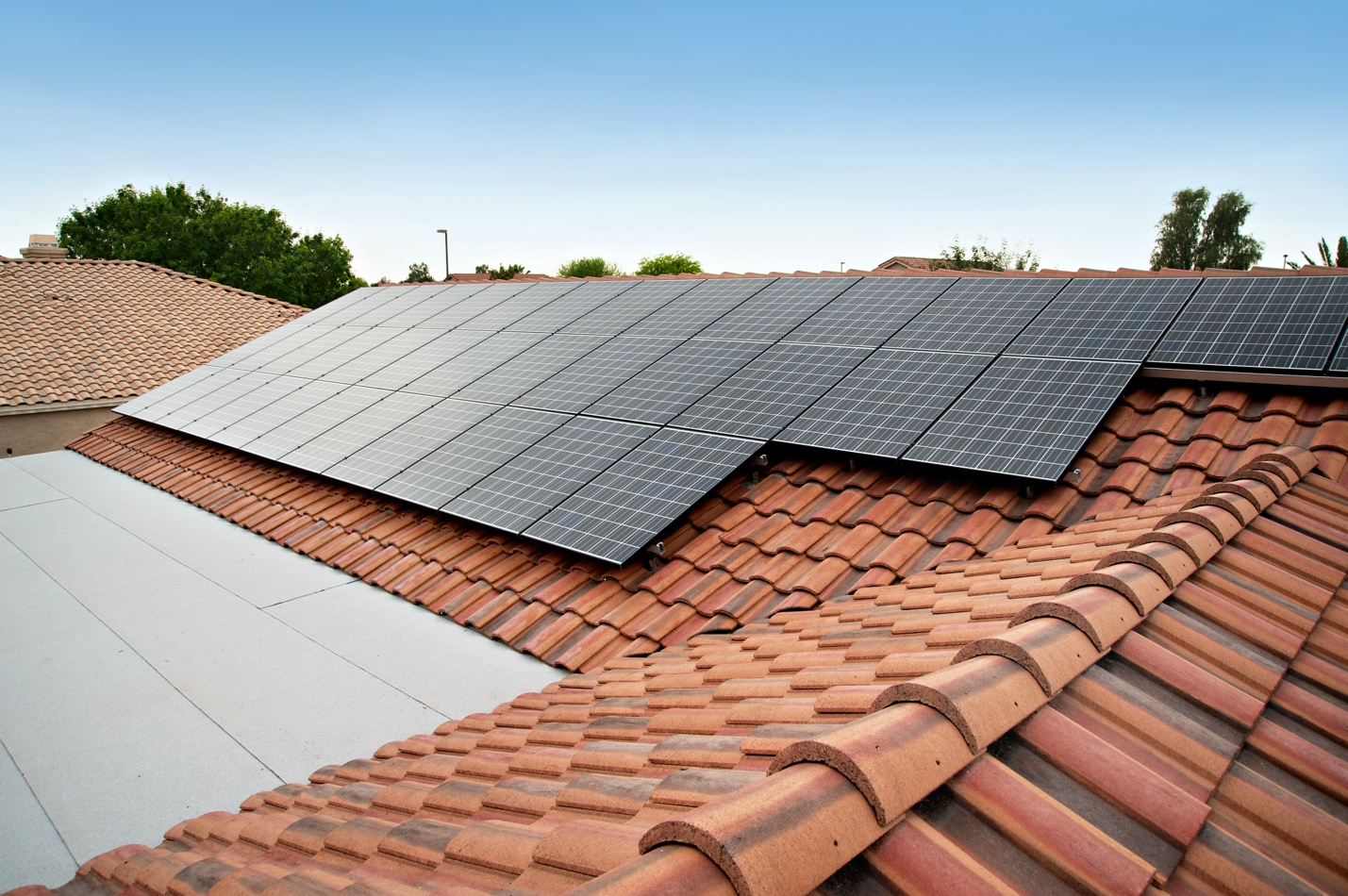
Arizona homes also present specific considerations. Tile roofs, intense summer heat, seasonal monsoon storms, and prolonged sun exposure all influence how roofing materials perform over time. A successful project accounts for these conditions rather than treating the roof as a passive surface.
Mounting Design and Waterproofing Protect the Property
Solar panels need secure mounting systems designed for the roof’s construction. The mounting method must suit the roofing material, account for relevant structural requirements, and support the planned array.
Waterproofing deserves equal attention. Mounting hardware and roof penetrations must be installed and sealed correctly to help prevent water intrusion. Poorly executed details can expose the roof to leaks, moisture damage, and repairs that disrupt the property’s long-term performance.
Experienced solar contractors understand that installation quality involves more than positioning panels to capture sunlight. Every connection between the solar system and the roof must be considered carefully.
This is especially relevant in Phoenix, where intense heat and seasonal storms place different demands on roofing systems. Good planning helps protect the building while allowing the solar array to do its job.
Think Beyond Installation Day
A property investment should be evaluated over its useful life, not simply by how quickly a project can be completed. Solar equipment, roofing materials, and other rooftop features all have different maintenance requirements and expected service lives.
Homeowners should consider several questions before moving forward:
- Is the existing roof suitable for the planned solar array?
- Are there visible signs of deterioration that warrant further assessment?
- Will the mounting design accommodate the roof’s material and construction?
- How will the installation preserve drainage and waterproofing?
- What access might be needed for future maintenance or repairs?
For homeowners working with solar installers in Phoenix, AZ, these questions help establish realistic expectations before work begins. They also support better coordination between solar installation and future roofing needs.
When a roof requires replacement or significant repairs, addressing those needs before installing solar may help avoid the expense and disruption of removing and reinstalling equipment later. The right sequence depends on the roof’s actual condition and the property’s plans.
Building Resiliency Through Better Planning
Energy resiliency means producing more of your own power and reducing exposure to changing utility costs and grid uncertainty. Building resiliency means protecting the physical property through sound construction, durable materials, and thoughtful maintenance.
Together, these principles provide a practical framework for planning a modern home. A properly qualified roof supports the solar system, while a carefully designed installation helps protect the building beneath it.
For Phoenix, Arizona homeowners, this approach is particularly relevant. The desert climate makes roofing durability an important consideration, while electricity demand can make greater control over energy production appealing.
American Solar & Roofing brings solar and roofing expertise together to help homeowners plan projects with the whole property in mind. This coordinated perspective supports informed decisions about installation, roof condition, and long-term ownership.
Invest in the Foundation of Your Energy Future
Solar is a long-term property decision, and the roof plays a central role in that investment. Careful qualification, suitable mounting, effective waterproofing, and realistic maintenance planning help create a stronger foundation for years of performance.
Explore our team to learn more about the people behind American Solar & Roofing. When you’re ready to discuss your property, request a free quote or contact our team to start planning a solar project around your home’s needs.
Live Life Your Way. Build a property with the foundations to adapt as circumstances change.
Frequently Asked Questions
1. Why is roof condition important before installing solar panels?
A roof must be qualified before solar installation to confirm it is suitable for the planned system. Roof age, material condition, and structural requirements can influence installation design and long-term performance.
2. Should I replace my roof before installing solar panels?
Not necessarily. The decision depends on the roof’s condition, expected service life, and any repairs it may need. Addressing significant roofing issues before installation may help avoid the cost and disruption of removing and reinstalling solar panels later.
3. How do solar panel mounting systems protect my roof?
Properly designed mounting systems secure panels to the roof while accounting for its material and construction. Correct installation and waterproofing around roof penetrations help reduce the risk of leaks and moisture damage.
4. How does Phoenix’s climate affect rooftop solar installations?
Phoenix’s intense summer heat, prolonged sun exposure, and seasonal monsoon storms make roof durability and installation quality especially important. Choosing suitable mounting methods and protecting waterproofing can help support the long-term performance of both the roof and solar system.
5. How does combining solar and roofing expertise benefit homeowners?
Coordinating solar and roofing decisions helps homeowners consider the entire property rather than treating the panels as a separate addition. This approach supports energy resiliency, protects the building, and helps homeowners make informed long-term property investments.