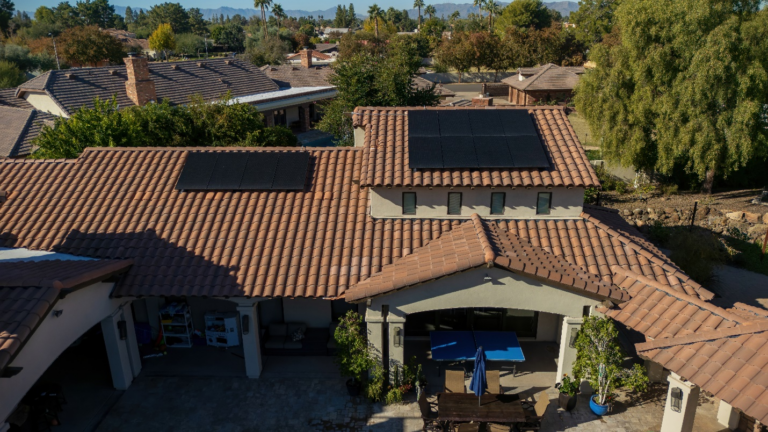
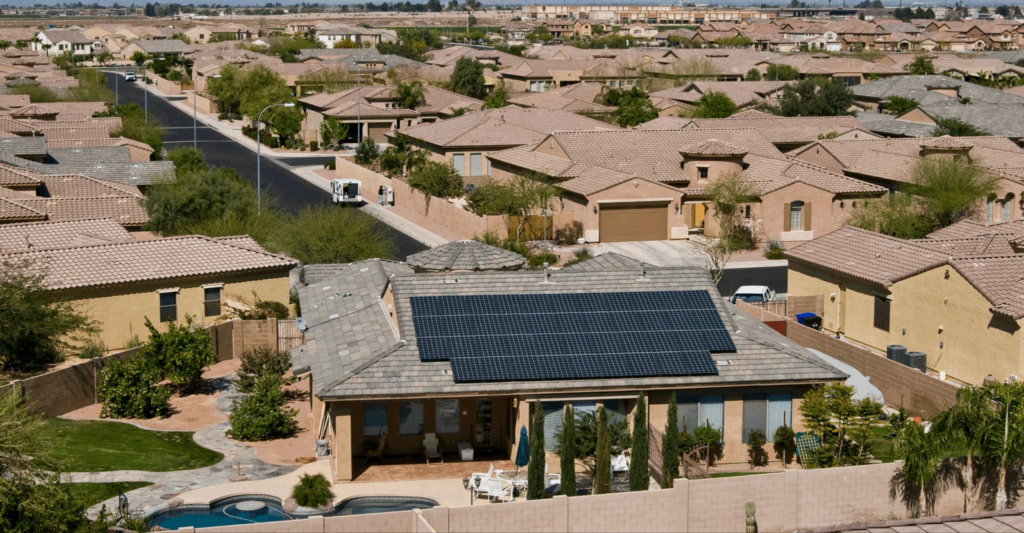
Walk through any upscale neighborhood in Scottsdale, Arcadia, or Paradise Valley, and you’ll see homes that look modern. Clean lines, smart lighting, automated gates, resort pools. Aesthetically, they’re flawless. But pull back one layer and a different picture emerges. Behind plenty of those polished facades sit outdated electrical panels, roofs that bleed thermal energy, and HVAC systems working overtime because nothing upstream is helping them out. Looking modern and performing modern are two very different things — and in 2026, the gap between them is getting harder to ignore.
A high-performance home isn’t defined by its finishes. It’s defined by the systems that operate behind the walls, above the ceiling, and on top of the roof. The homes in Phoenix that genuinely stand apart are the ones where the infrastructure matches the ambition — where every system, from energy-efficient roofing in Phoenix, AZ to the electrical backbone powering smart devices, was designed to work together rather than in isolation. Solar is the catalyst of a modern home, and it starts with what most homeowners never think about: the roof.
The Roof Is the Starting Line, Not the Finish
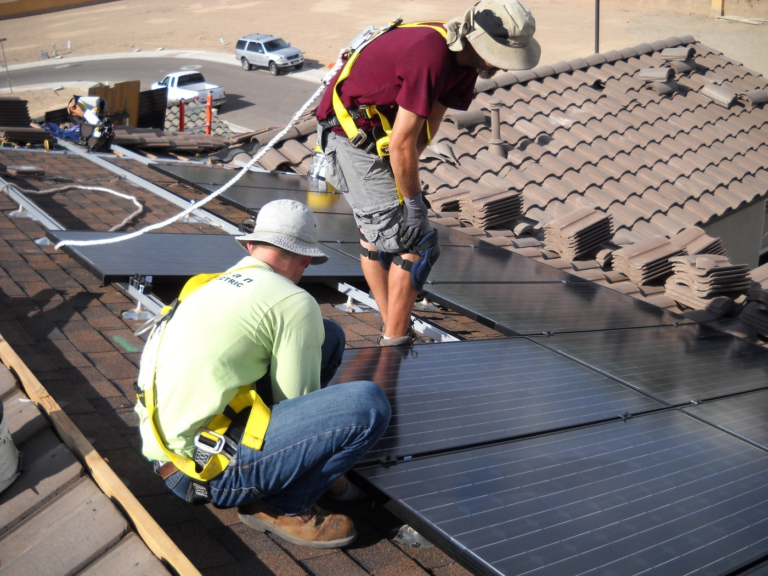
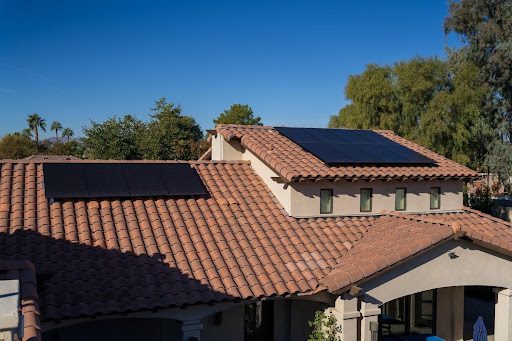
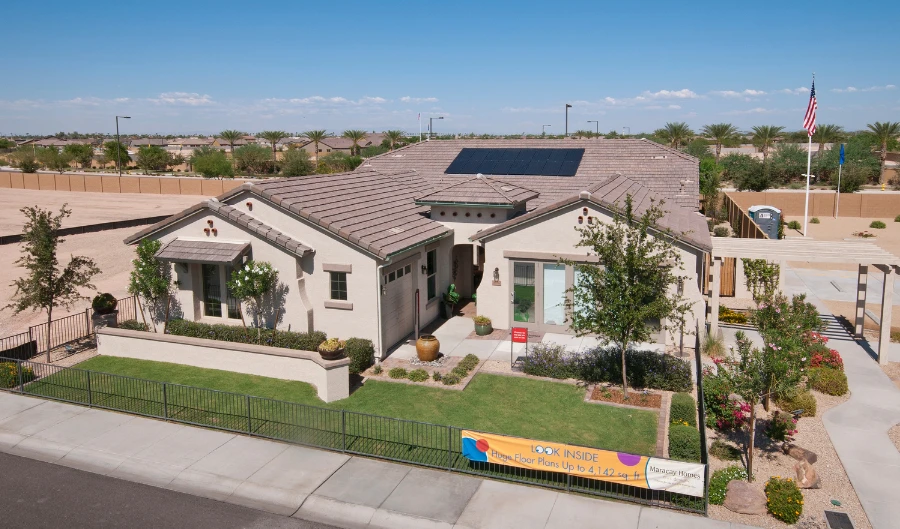
In a city where exterior temperatures exceed 110°F for months at a time, the roof is the single most active thermal surface on any property. It’s absorbing, reflecting, or transferring heat into your living space every hour of every summer day. A high-performance home in the Phoenix metro treats that surface as an engineered system, not just a weatherproofing layer. Solar-ready roofing in Phoenix, AZ, means a roof that was designed from the start to manage thermal load, support a solar array’s structural demands, and integrate with the home’s energy systems for the next 25 to 30 years.
That means material selection driven by reflectivity and durability in extreme UV environments. It means decking reinforced in the zones where mounting hardware will anchor. It means ventilation pathways designed to function with an array in place, not just without one. The U.S. Department of Energy’s solar energy guide for homebuilders outlines exactly this kind of integrated planning as the standard for homes built to perform — not just homes built to sell. Residential roofing contractors in Phoenix, AZ who understand this distinction build roofs that set the stage for everything that follows.
Electrical Infrastructure That Anticipates Demand
A premium home in 2026 doesn’t just consume electricity — it orchestrates it. EV chargers, whole-home battery storage, smart HVAC zoning, pool automation, outdoor living systems with independent climate control — each of these draws significant load, and they increasingly need to coexist on the same electrical platform. The homes that handle this well are the ones with 400-amp panels, properly rated sub-panels, and wiring infrastructure designed for expansion. The ones that don’t handle it well are the ones where every new addition requires a workaround because the original electrical design never anticipated what the home would become.
When you upgrade your home with solar installation in Phoenix, AZ, the electrical system becomes the integration point between generation and consumption. A well-designed system feeds solar production into the home’s loads during peak generation hours, routes excess to battery storage, and draws from the grid only when it has to. NREL’s research on home energy management systems reinforces that this kind of coordinated infrastructure — not isolated smart devices — is what defines a genuinely intelligent home. Live life your way, but make sure the infrastructure behind your walls can keep up with the way you’re living.
At American Solar & Roofing, we design roofing and solar systems that integrate with your home’s full electrical profile — not just the panels on the roof. If you’re building, renovating, or upgrading your Phoenix property, see how our team approaches residential solar from the ground up.
Climate Control as a System, Not a Thermostat Setting
Arizona’s cooling demands are brutal, and a high-performance home doesn’t fight them with brute force. It fights them with design. High-performance insulation, radiant barriers, properly sealed ductwork, and solar-ready roofing that reduces radiant heat transfer into the attic space all reduce the load your HVAC system has to manage. When those passive systems are paired with active solar generation, the home’s cooling infrastructure operates within a manageable envelope rather than constantly chasing outdoor temperatures.
For homeowners across the East Valley and West Valley, where summer grid demand peaks and rate structures penalize high consumption during afternoon hours, this kind of coordinated approach translates into tangible performance gains. A home where the roof, insulation, HVAC, and solar work as a unified system uses less energy, generates more of what it does use, and operates with a level of consistency that a piecemeal approach simply can’t match. Solar powers your lifestyle most effectively when every other system in the house is pulling in the same direction.
Where Smart Technology Actually Matters
Smart home technology gets most of the attention in the “modern home” conversation, but the reality is that smart devices without smart infrastructure are cosmetic. A Wi-Fi thermostat on a poorly insulated home with an undersized electrical panel and no on-site generation is just a more expensive way to monitor a problem you haven’t solved. The high-performance homes in Phoenix that actually deliver on the smart-home promise are the ones where the foundational systems — roofing, solar, electrical, and climate control — create the platform that smart devices are designed to manage.
This is the hierarchy that separates homes that perform from homes that present. The surface layer — the finishes, the automation, the connected devices — is the visible part. But the invisible layer — the solar and roofing system, the electrical backbone, the thermal envelope — is what determines whether that visible layer actually works the way it should. A truly modern home in 2026 starts from the roof down, not from the app up.
Build the Home That Performs Like It Looks
At American Solar & Roofing, we’ve spent 25 years building the infrastructure layer that makes high-performance homes possible across the Phoenix metro. If you’re ready to upgrade your home to the standard your property deserves — from the roof to the solar system to the foundation they share — we’re the team to make it happen. Start the conversation with us here.