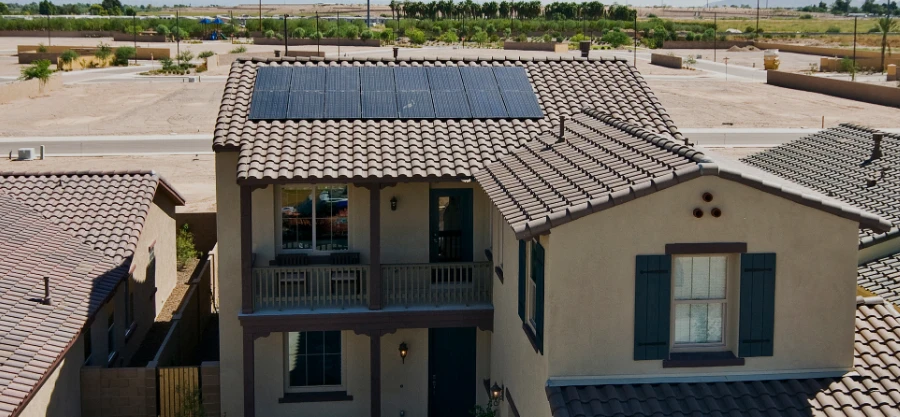
Every spring, the same advice cycles through Phoenix real estate groups, neighborhood threads, and home improvement conversations: get your solar installed before summer hits. The logic seems obvious — Arizona’s sun is most intense from May through September, so you want your panels producing before those peak months arrive. The problem isn’t that the logic is wrong. The problem is that it’s incomplete. For homeowners with 3,000 square feet or more, the decision to go solar involves variables that have nothing to do with what month it is — and rushing to beat a seasonal deadline can actually produce a worse outcome than waiting until the home is ready.
The best solar company in Phoenix, AZ, will tell you this directly: the right time to install solar is when your home’s structural, electrical, and roof conditions are aligned to support a system that performs at its designed output for the next 25 to 30 years. That alignment doesn’t follow a calendar. It follows a readiness assessment. Solar is the catalyst of a modern home, but catalysts work best when the conditions around them are right.
The Roof Readiness Question
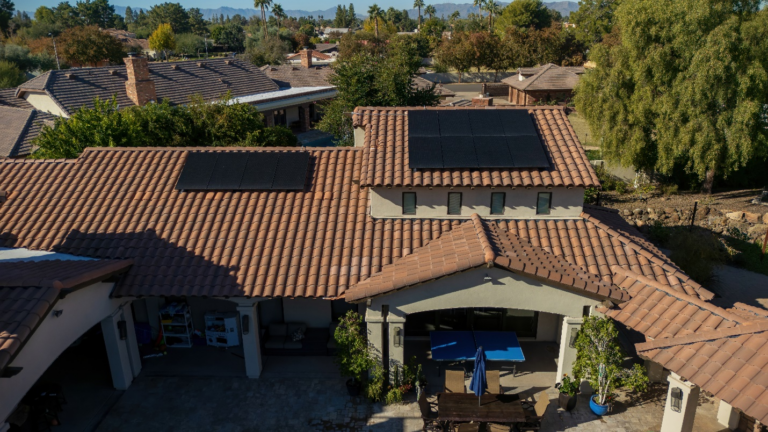
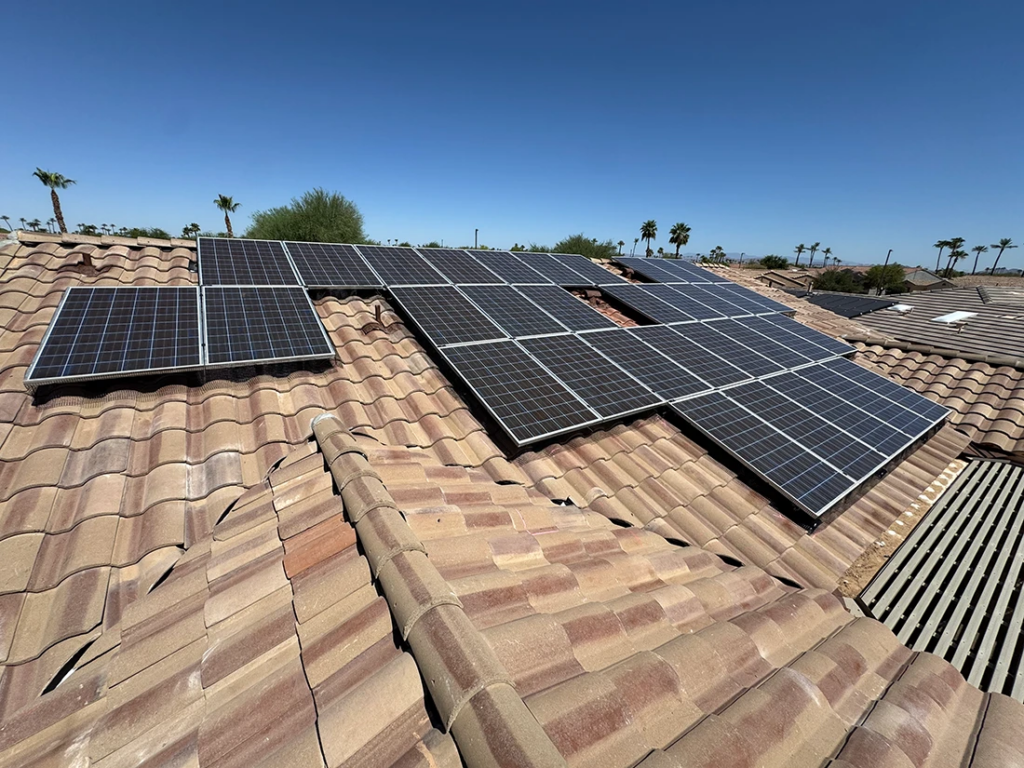
The single most important timing variable in any solar panel installation in Maricopa County is the condition of the roof it’s going on. A solar array is designed to produce for 25 to 30 years. If the roof beneath it has 8 to 12 years of remaining life, the homeowner is building in a future disruption: the array will need to come off, the roof will need replacement, and the array will need reinstallation. That removal and reinstallation typically runs thousands of dollars and isn’t covered by most solar service and repair warranties.
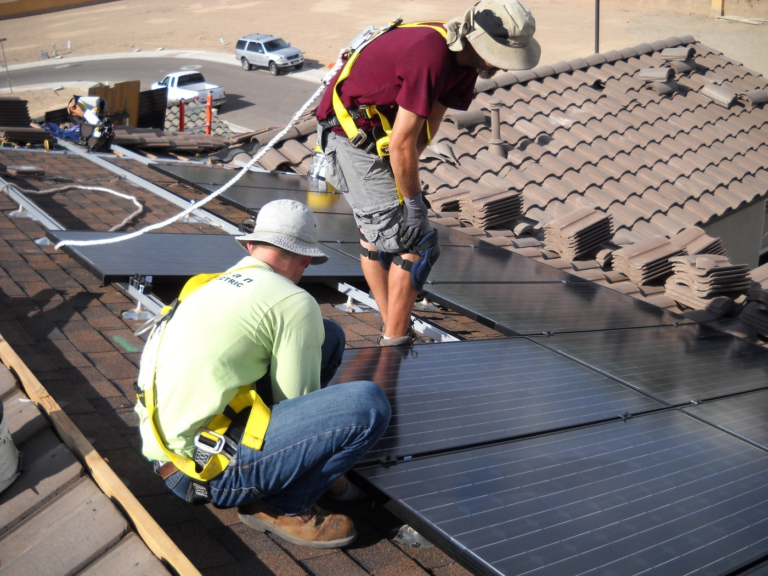
The U.S. Department of Energy’s guidance on coordinating roof replacement with solar makes this point clearly: when roof replacement and solar installation timelines align, homeowners save money, reduce complexity, and get a system where both layers start fresh and age together. For large homes with complex roof geometries — multiple planes, tile substrates, significant square footage — this alignment is even more critical. Residential roofing contractors in Phoenix, AZ, who also handle solar, understand these intersections in a way that single-discipline contractors don’t.
Electrical Readiness Determines System Performance
A home’s electrical panel is the integration point between solar generation and household consumption. For homes built more than 15 years ago, the original panel was sized for a different era of electrical demand. Today’s large homes run EV chargers, battery storage, smart HVAC, pool automation, and high-draw kitchen appliances — all of which consume significantly more than the lighting-and-appliance loads the original panel was designed for. If the panel can’t accommodate a solar interconnection without an upgrade, that upgrade needs to happen before panels go on the roof — not after. Rushing to meet a seasonal target and discovering the electrical system isn’t ready mid-installation creates delays that are more disruptive than simply getting the assessment done first.
When you upgrade your home with solar, the electrical readiness evaluation is where the timeline should start. Licensed solar installers in Phoenix, AZ who conduct thorough pre-installation assessments — structural, electrical, and environmental — set the project up for a clean execution regardless of what month the work begins. Live life your way, but don’t let an arbitrary deadline compromise the quality of an investment you’ll live with for decades.
At American Solar & Roofing, we evaluate every home’s electrical profile before we design a system — because what your panel can handle shapes what your solar system can deliver. If you’re thinking about solar but aren’t sure where your home stands electrically, our team can run a full pre-installation assessment.
System Sizing Requires Data, Not Urgency
A properly sized solar system starts with 12 months of utility data. It accounts for seasonal peaks, baseline consumption, and anticipated future loads — EV adoption, additions, lifestyle changes. A system designed around a partial year of data or estimated usage produces a less accurate output projection, which means the homeowner either overspends on capacity they don’t need or installs a system that underperforms during the months that matter most. The DOE’s homeowner’s guide to going solar recommends a full-year consumption analysis as the baseline for system design — a recommendation that experienced solar energy contractors in Maricopa County take seriously.
For homeowners across the Phoenix metro, this means the best time to start the solar conversation is when you have your data together and your home’s structural and electrical readiness confirmed. That might be January. It might be August. The month is irrelevant. What matters is that the foundation — the roof, the electrical system, and the consumption profile — is solid before the first panel goes up. Solar powers your lifestyle most effectively when the system behind it is designed without shortcuts.
What “Ready” Actually Looks Like
A home that’s ready for solar meets three conditions. The roofing system has at least 15 to 20 years of remaining life, or is being replaced with solar integration in mind. The electrical panel has the amperage capacity and breaker space to accommodate a solar interconnection and any planned additions. And the homeowner has a clear picture of current consumption, anticipated growth, and the specific utility rate structure (APS or SRP) that will determine how the system’s output translates into value. When all three are in place, the installation moves efficiently regardless of the calendar — and the system performs the way it was designed to from day one.
The homes in Phoenix that get solar right are the ones whose owners treated readiness as the timeline, not the season. The best solar company in Phoenix, AZ, doesn’t pressure homeowners into a summer deadline. They help homeowners determine when their home is genuinely prepared for a system that will perform for three decades — and then they execute it with precision. That’s how you upgrade your home the right way.
Find Out if Your Home Is Ready — Regardless of What Month It Is
At American Solar & Roofing, we’ve spent 25 years helping Phoenix homeowners separate timing from readiness. If you want to know exactly where your home stands — roof condition, electrical capacity, consumption profile, and the best path forward — we’ll walk you through all of it, no pressure, no artificial deadlines. Start with a free consultation here.