There’s a moment most Phoenix homeowners can point to — not a headline they read, not a neighbor’s comment, but a specific experience that shifted solar from something to consider into something to do. For some, it’s a July electricity statement that genuinely surprises them. For others, it’s the week a monsoon knocked out power to the block, and they spent three days managing a large home with no backup. Whatever the trigger, the pattern is consistent: the decision to go solar is rarely logical first. It’s personal.
Understanding that is important because the solar industry tends to lead with data: system size, panel efficiency, output projections, and payback periods. All of that matters — but it rarely moves the needle on its own. What actually shifts a homeowner from “someday” to “schedule the consultation” is almost always something closer to comfort, control, or the way a home performs at a moment when performance matters.
The Comfort Trigger
Phoenix summers expose a fundamental tension in large homes: the more square footage you have, the harder it is to maintain consistent comfort without significant energy consumption. Zoned HVAC systems, smart thermostats, and upgraded insulation help — but none of them change the underlying supply equation. Your home draws from the grid, which is under pressure, and during a sustained heat event, that pressure translates into the volatility you feel.
Homeowners who pursue home solar installation in Phoenix, Arizona, often describe the primary motivation not as energy savings but as stability. The sense that your home’s ability to stay cool and functional no longer depends on conditions outside your control. That shift — from grid-dependent to grid-resilient — is what the comfort trigger is actually about. It’s the difference between a home that performs when everything is fine and one that performs regardless.
The Home Performance Trigger
For homeowners with newer construction or recently upgraded interiors, solar often becomes the missing piece in the home performance equation they’ve been building toward. Smart home systems, high-end appliances, EV charging, resort-style outdoor living with lighting and cooling — each of these additions increases energy demand. At some point, the gap between what a premium home consumes and what the grid reliably delivers becomes difficult to ignore.
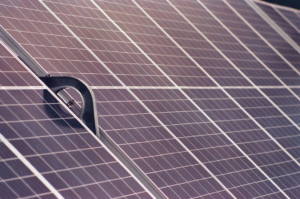
A well-designed solar panel installation in Maricopa County closes that gap. It doesn’t just offset consumption — it gives the home its own generation capacity, so the systems you’ve invested in operate at their intended level. This is the performance trigger: the recognition that solar isn’t an add-on to a modern home, it’s what makes the rest of a modern home possible.
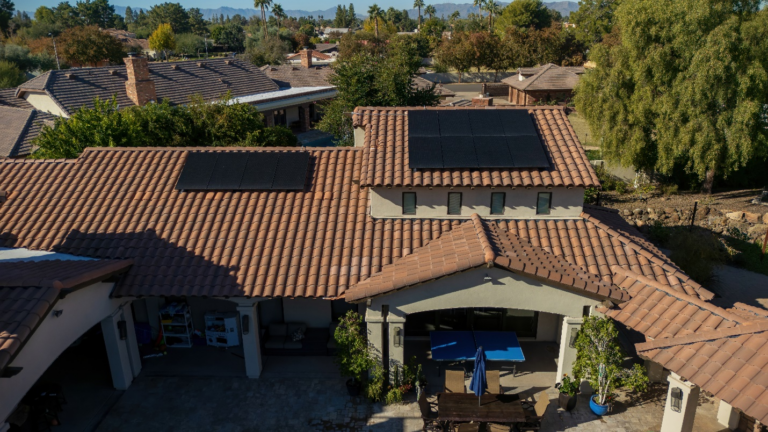
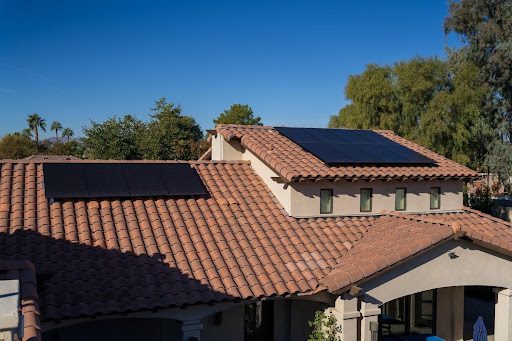
Wondering what a solar system designed for your home actually looks like? We size every installation to your specific load, roof, and lifestyle—not a generic average. Explore our residential solar installations and see what’s possible.
The Legacy Trigger
Some homeowners reach the solar tipping point through a longer lens. The question isn’t “what does this save me this year” but “what does this do for the value and functionality of this home over the next 20 years?” Research from the Lawrence Berkeley National Laboratory has consistently found that solar installations increase home resale value, with buyers demonstrating a measurable willingness to pay a premium for solar-equipped properties. In a market like Greater Phoenix, where property values in established neighborhoods reflect buyers’ expectations about long-term livability, solar becomes part of what a well-maintained, forward-thinking home looks like.
The legacy trigger is also generational. Homeowners who have spent decades building a property into something they’re proud of tend to view solar through that same lens — as a decision that reflects the standard they hold for their home, not just the economics of an individual billing cycle. You can explore the LBNL research on solar and property values at the DOE’s official summary of the Berkeley Lab solar home premium study.
What Happens After the Tipping Point
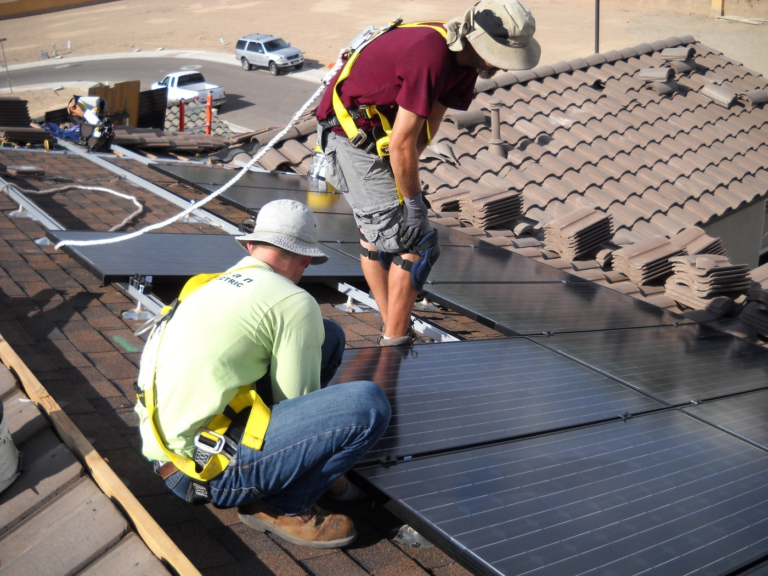
Once the decision shifts from “someday” to “now,” the process moves quickly for homeowners who partner with experienced, licensed solar installers in Phoenix, AZ. A proper installation begins with a detailed assessment of the roof, the home’s energy profile, and the optimal system configuration for both current demand and anticipated growth. For larger homes, that last point matters: a system sized only for today’s consumption may underperform as EV adoption, expanded outdoor living, or smart home additions increase the load over time.
The homes in Phoenix that stand apart five and ten years from now will be the ones whose owners made that commitment deliberately — and got the system design right from the start. The tipping point is just the beginning. What follows determines everything. For additional context on how Arizona’s grid conditions are shaping homeowner decisions, the National Renewable Energy Laboratory’s analysis of rooftop solar potential provides a useful perspective on why residential solar is accelerating across the state.
Your Tipping Point Might Be Closer Than You Think
At American Solar & Roofing, we’ve had this conversation with Phoenix homeowners for 25 years. If you’re already thinking about solar — even casually — that instinct is worth a real conversation. Talk to our team, get a thorough assessment of what your home needs, and find out what a properly designed solar system actually looks like for your property. Reach out to us directly and let’s get started.