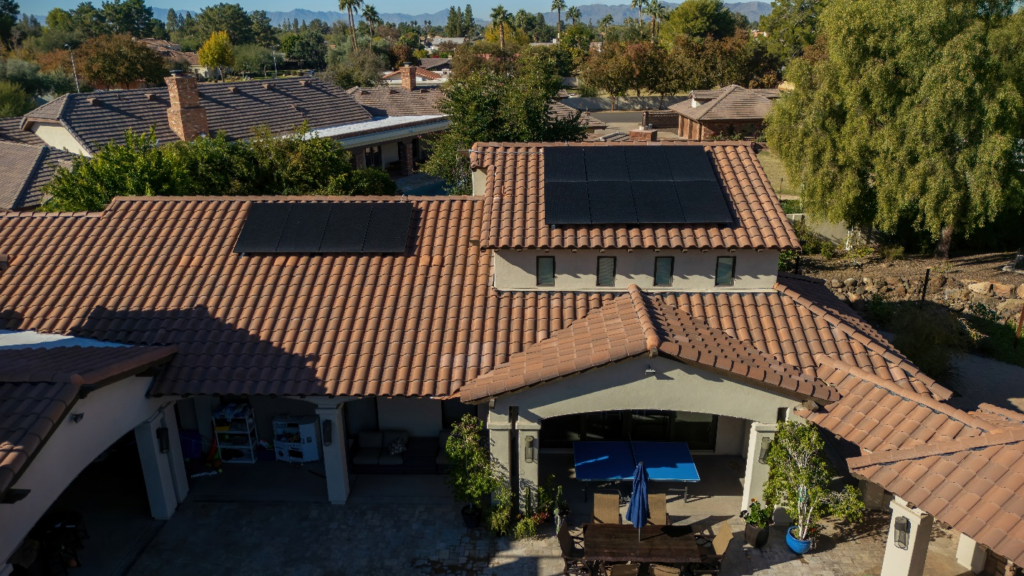
A solar installation can look impressive the day the panels go up. The real test comes years later.
Arizona puts every rooftop system through intense heat, UV exposure, dust, monsoon storms, and constant temperature changes. Those conditions do not care how quickly your installation was completed. They expose weak connections, poor mounting, inadequate flashing, and rushed electrical work over time.
That is why choosing licensed solar installers in Phoenix, AZ should involve more than asking how quickly they can finish the job. A quality installation should be designed and built for years of reliable performance.
Solar is the catalyst of a modern home. When that catalyst is installed correctly, it can support the way you want to live. When workmanship is rushed, small details can become expensive problems.
Speed Is Easy to See. Workmanship Is Not.
A fast project gives homeowners something immediate to celebrate. The panels are on the roof. The equipment is connected. The system starts producing power.
But much of the work that determines long-term performance is hidden.
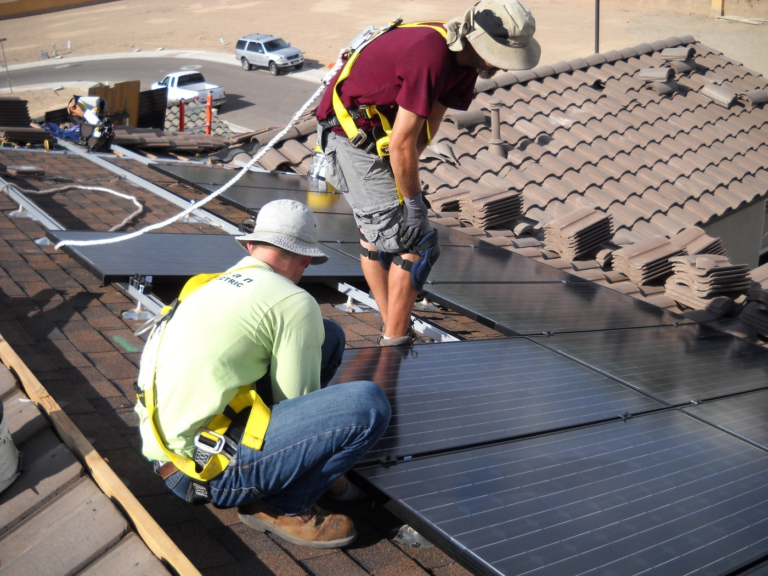
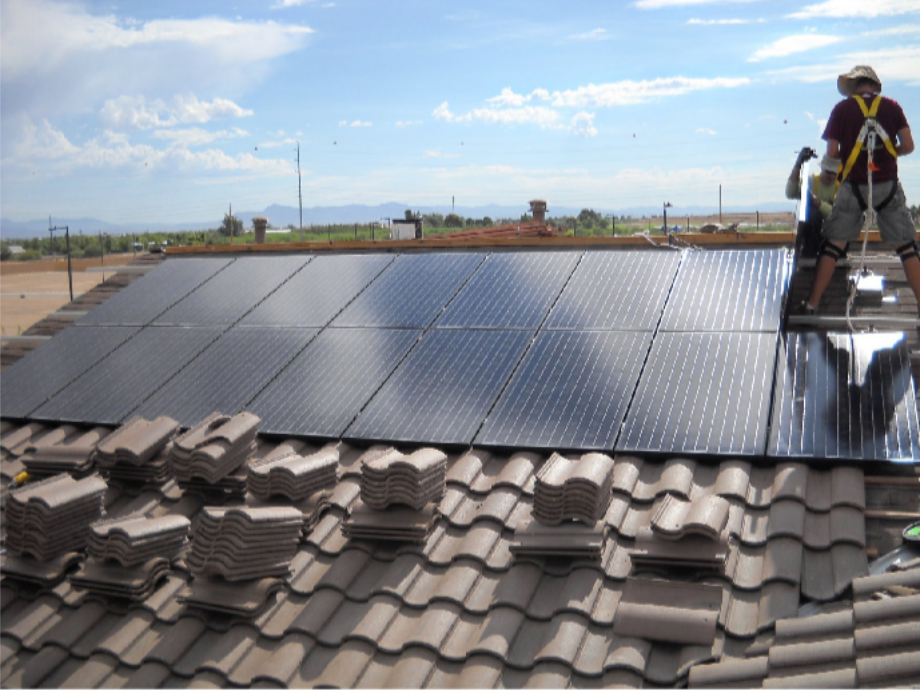
During solar installation, our attention needs to go beyond the panels themselves. Mounting hardware must be positioned correctly. Connections need to be secure. Wiring needs proper routing and protection. Roof penetrations need appropriate waterproofing. Equipment needs to be installed according to its specifications.
None of these details make for a dramatic reveal.
They are still what help a solar system perform reliably year after year.
A homeowner comparing solar panels or installation timelines should therefore ask a different question: What will this system look like after five, ten, or twenty years?
That question shifts the focus from speed to craftsmanship.
Mounting Is More Than Putting Panels on a Roof
A solar array has to remain secure through years of Arizona weather.
The mounting system connects the array to the structure of your home. That makes installation accuracy critical. Hardware needs to be properly positioned and secured. The system also needs to account for the characteristics of the roof beneath it.
During solar panel installation, these details deserve careful attention because they become part of the home’s infrastructure.
A rushed installer may focus on getting the visible equipment in place. A meticulous installer thinks about how every attachment will perform after thousands of hours of heat, wind, and weather exposure.
That distinction may never be visible from the street. It can still make a significant difference over the life of the system.
Flashing Protects More Than the Solar System
Your roof has one fundamental job: keep your home protected from the elements.
Adding solar should never compromise that job.
Whenever mounting hardware interacts with the roof, waterproofing becomes part of the installation. Flashing and sealing need to work with the specific roofing materials and installation method.
This is one reason solar panel installers should understand roofing, not simply the equipment mounted above it.
Arizona’s monsoon season provides a serious test. Heavy rain and wind can find weaknesses that remain unnoticed during dry weather. Good workmanship anticipates those conditions before the first storm arrives.
At American Solar & Roofing, we believe the roof deserves the same level of attention as the equipment producing energy above it.
Wiring Should Be Built for the Long Haul
Solar equipment depends on more than sunlight.
Wiring connects the system’s components and carries the energy they produce. Poor routing, loose connections, inadequate protection, or careless installation can create problems that may not appear immediately.
Quality solar system installation means treating these components as critical infrastructure.
Good workmanship also makes future service easier. Clearly organized wiring and properly documented equipment give technicians a better understanding of how the system was installed.
That matters when a component eventually needs attention.
The goal should never be to make a system work just long enough to complete the project. It should be to build a system that remains understandable, accessible, and serviceable throughout its life.
Documentation Is Part of Workmanship
The installation does not end when the tools leave your property.
A well-documented system gives homeowners and service professionals valuable information about what was installed, where components are located, and how the system was configured.
That information becomes especially important years later.
Your home may change. Equipment may need service. A future technician may need to troubleshoot an issue. Clear documentation can reduce uncertainty and make those conversations easier.
This is one reason solar installation companies should be evaluated on their process, not simply their installation speed.
Good documentation reflects a long-term mindset.
It says the installer expects the system to remain important long after the original project is complete.
Service Support Changes the Ownership Experience
Solar systems are designed to operate for many years, but no complex system should be treated as completely maintenance-free.
Arizona’s environment places constant demands on outdoor equipment. Heat, dust, weather, and normal component aging can eventually affect performance.
That makes post-installation support an important part of choosing a solar energy company.
At American Solar & Roofing, we view installation as the beginning of a long-term relationship. Our service capabilities give homeowners a resource when their system needs attention rather than leaving them to figure out every issue alone.
That matters when energy reliability becomes increasingly valuable.
Brownouts and grid interruptions can make homeowners more aware of how dependent modern life is on electricity. As energy becomes more valuable, the quality of the infrastructure generating and managing it matters more too.
Ask What Happens After Installation
When comparing solar contractors, homeowners often ask about equipment, production, and installation schedules.
Those questions matter.
Add another question to the list: Who will support this system years from now?
Ask how the installation is documented. Ask how mounting and wiring are handled. Ask how the roof is qualified before installation. Ask what workmanship coverage is provided. Ask who you can contact if production changes later.
These questions reveal how an installer thinks.
The right residential solar installation should not be viewed as a race to turn on the system. It should be viewed as a long-term investment in your home.
At American Solar & Roofing, we would rather build carefully than rush through details that homeowners may depend on for decades.
Choose Workmanship You Can Live With
The fastest installation is not automatically the best installation.
A better measure is what remains after the crew leaves. Secure mounting. Proper flashing. Organized wiring. Clear documentation. Qualified roofing conditions. Professional service support. Those are the details that protect the performance of your investment long after installation day.
If you are researching solar installation in Phoenix, Arizona, take the time to look beyond the equipment and the timeline. Look at the people who will install it, the process they follow, and the support they provide afterward.
That is how you choose solar for the way you want to live.
Build for the Long Term
Ready to discuss your project with a team that takes workmanship seriously? Learn more about our solar installers, request a solar installation quote, or contact our solar company to start the conversation.
Live Life Your Way.