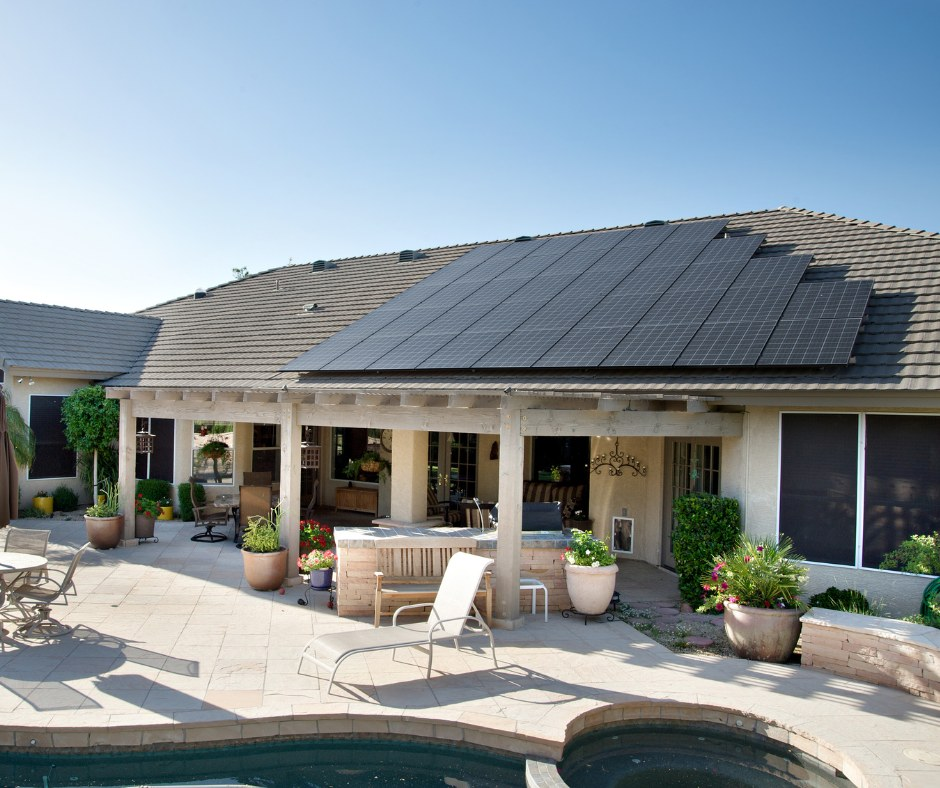
A resilient home starts with a strong foundation.
That foundation includes the roof, construction, energy systems, and the way the home handles extreme conditions. In Arizona, one of those conditions is heat. Your roof absorbs intense sunlight for hours, and that heat can move into the attic and affect the space below.
That makes attic airflow worth discussing when you are planning solar.
When we talk about solar attic fans in Phoenix, AZ, we are not talking about adding another piece of equipment simply for the sake of it. We are talking about how your home manages heat and how its different systems work together.
Solar can give homeowners greater control over where their energy comes from. A sound roof protects the physical property. Thoughtful ventilation helps the home manage its environment.
Together, these choices can contribute to a more resilient property.
Arizona Heat Does Not Stop at the Roof
A roof takes the full force of the Arizona sun. That heat can accumulate in the attic and create a high-temperature environment above your living space.
Summer temperatures can climb above 100 degrees. The roof receives direct sunlight throughout the day, and the space underneath can become extremely hot.
That heat matters because the attic sits between the roof and your living space. When hot air accumulates, the home has another thermal challenge to manage.
Ventilation helps move hot air through the attic. The exact approach depends on the home’s construction, insulation, roof design, and existing ventilation.
An attic fan can be one part of that strategy when appropriate.
The important point is that homeowners should understand how their homes handle heat before making major upgrades. That is especially true when considering solar installation.
Solar becomes part of your property’s long-term infrastructure. It should be planned with an understanding of the roof and the conditions surrounding it.
Solar Does More Than Add Panels to a Roof
It is easy to think of solar as a simple equation: install solar panels, generate electricity, and reduce your dependence on utility power.
The reality is more connected.
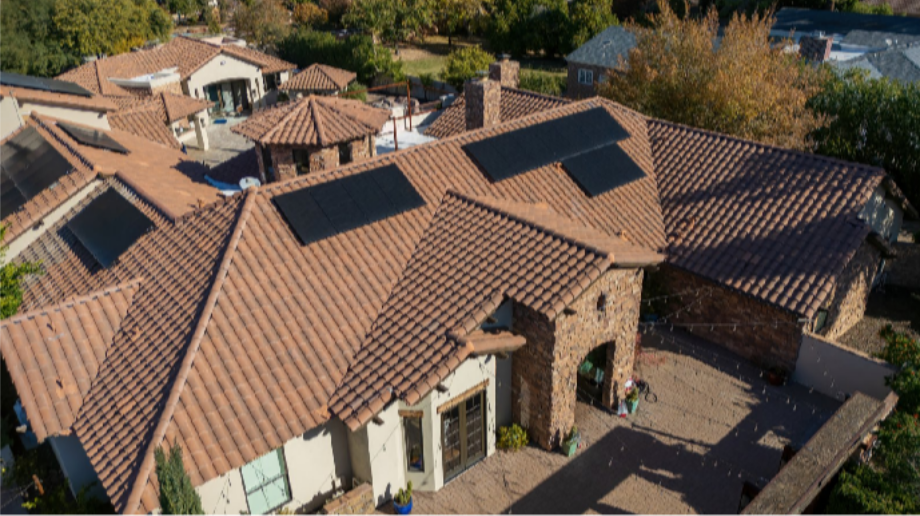
A solar array becomes part of the roof. The roof protects the home beneath it. The attic helps manage the environment below the roof. Insulation and ventilation influence how the home handles heat. Your electrical system connects the solar installation to the property’s energy use.
Each part has a role.
Before we begin solar panel installation, we qualify the roof to ensure it is suitable for the project. That does not mean every solar customer needs a roof inspection. It means we make sure the roof is appropriate for the planned installation.
That distinction is important because resilient homes are not built by reacting to problems after they appear. They are built by making informed decisions before major work begins.
Where Attic Fans Fit Into a Resilient Home
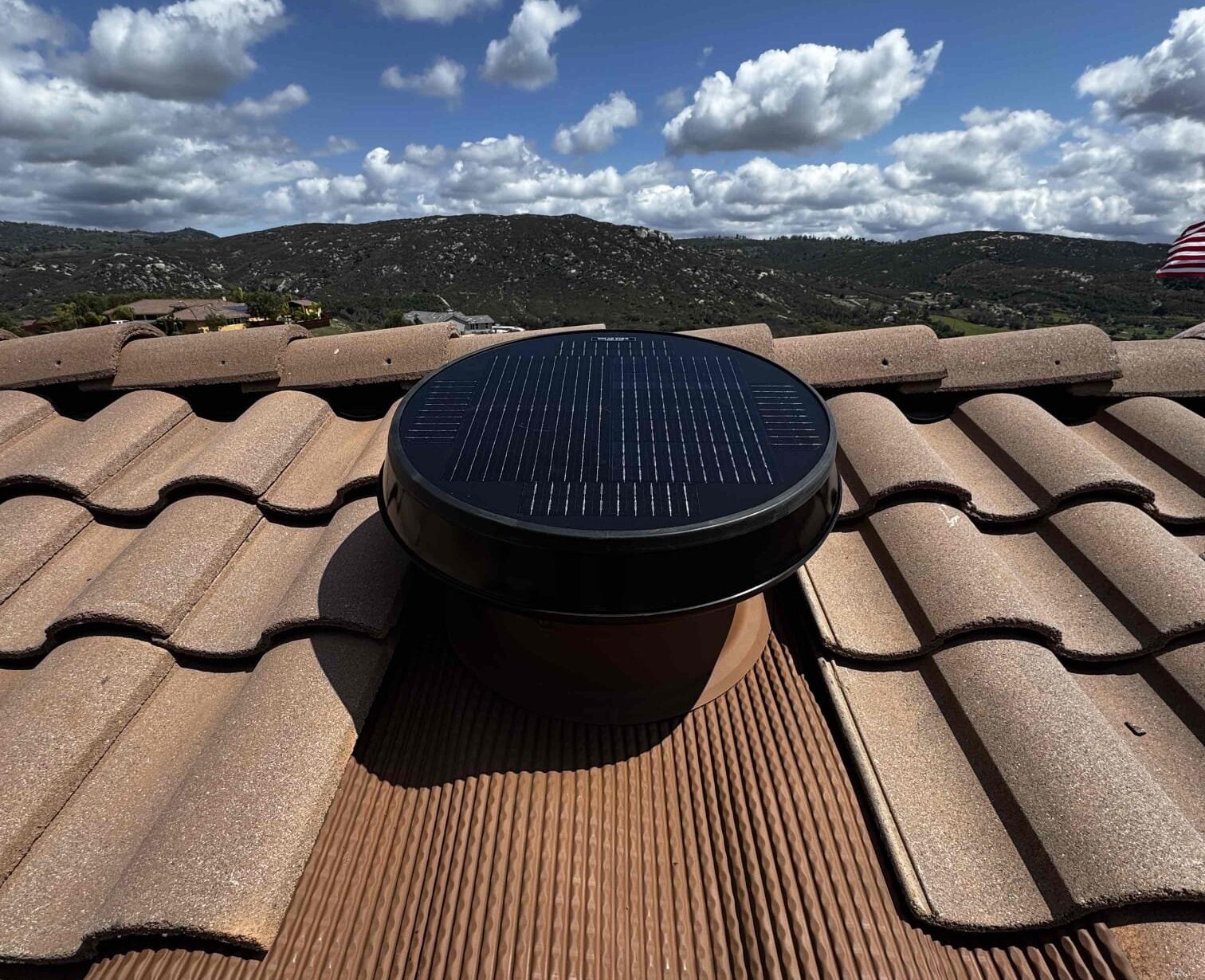
An attic fan is designed to move hot air out of the attic.
That can support the home’s broader ventilation strategy, but it is not a universal solution for every property. An attic fan cannot replace proper insulation, passive ventilation, or air sealing.
The right approach depends on the home. This is where professional evaluation matters. Rather than assuming every Arizona house needs the same equipment, homeowners can look at how their particular property is constructed and how it currently handles heat.
For some homes, existing ventilation may already be sufficient. For others, additional ventilation could be worth considering. The objective is not to create a more complicated home. It is to create a home with systems that work together intentionally.
That philosophy is central to how we approach solar installers’ work. We want the energy system to make sense within the property instead of treating solar as an isolated upgrade.
Comfort Is Part of Energy Resiliency
Energy resiliency is often discussed in terms of electricity.
That makes sense. Producing more of your own power can give you greater control over your energy supply and reduce your exposure to changing utility costs and grid uncertainty.
But resiliency starts before electricity reaches the outlets.
A home that manages heat effectively can provide a stronger foundation for its energy systems. Attic airflow is one part of that equation. When the home is designed to respond to Arizona’s climate, the people inside it can have greater comfort and more control over how the property performs.
That is why home solar installation should be viewed as part of a larger home strategy. We are not simply adding equipment to a roof. We are helping homeowners make decisions about an asset they expect to protect and use for decades.
Ventilation Belongs in the Solar Conversation
When homeowners research solar panel installation, the conversation often centers on production, panel placement, and energy goals.
Those questions matter. So does the roof underneath them.
A thoughtful solar project should account for the condition and configuration of the roof. It should also consider how other rooftop features affect available space.
If you are working with solar panel installers, ask how the proposed system interacts with your roof. Ask where equipment will be placed. Ask whether existing ventilation supports the roof system.
For us, this is where the advantage of working with solar energy contractors who understand roofing becomes clear.
Resiliency Means Creating Options
The idea of resiliency extends beyond surviving a difficult day.
It is about creating enough stability and flexibility to adapt when circumstances change.
For a homeowner, that might mean producing more of your own electricity. It might mean protecting the physical asset with quality roofing and construction. It might mean making thoughtful improvements that help control long-term operating costs.
Solar can contribute to that strategy. So can a well-maintained roof. So can an attic that manages heat appropriately.
This is why our approach to residential solar installation begins with the property itself. We want to understand the home, its existing systems, and the goals of the people who live there. The result should give homeowners more information and more control over the decisions they make.
That is what agency looks like in a home improvement project.
Build for Tomorrow, Not Just Today
Circumstances change.
Utility costs can change. Energy demand can change. Weather conditions can become more demanding. Homes themselves change as families, technology, and lifestyles evolve.
A resilient home does not need to predict every change. It needs a strong enough foundation to adapt.
That is why we believe solar system installation should be considered alongside the property’s broader construction and energy needs.
A sound roof protects the physical asset. Thoughtful ventilation helps the home manage heat. Solar can provide greater control over energy production.
Each decision becomes more meaningful when it contributes to the same goal: creating a property that is prepared to perform for decades.
Your Home Should Give You More Control
Resiliency is not about living in fear of what might happen next. It is about having options when something does.
A resilient home gives the people inside it a stronger foundation. It can be better prepared for changing energy conditions, demanding weather, and the everyday realities of owning a property in Arizona. That is where solar fits into the bigger picture.
When we approach solar installation companies and their role in the future of housing, we see an opportunity to help homeowners make thoughtful capital investments in their properties.
Solar is the catalyst of a modern home. The roof, attic, construction, and energy systems help determine how well that modern home performs.
Our goal is to help you build something strong enough to endure while giving you greater freedom to live life your way.
Learn more about the people behind our solar and roofing approach by meeting our team.
Ready to explore what solar could look like for your home? Get a free quote or contact our team to start the conversation.