A resilient home is designed to keep working well when circumstances change.
That starts with the fundamentals. A sound roof protects the structure. Thoughtful energy systems can provide greater control over where power comes from. Quality construction creates a stronger physical foundation.
Natural light belongs in that conversation, too.
Some of the most overlooked spaces in a home are hallways, closets, and bathrooms. They may have beautiful finishes and thoughtful layouts, yet still depend on artificial light throughout the day.
Solatube installation in Phoenix, AZ offers another option. A compact tubular daylighting system can bring sunlight into interior spaces without requiring the large roof opening associated with a traditional skylight.
For us, that fits into a larger philosophy. A well-designed home should give you more options and greater control over how you live in it. Solar is the catalyst of a modern home, but resilience comes from building the entire property thoughtfully.
Dark Spaces Can Limit How You Experience Your Home
Large rooms often receive plenty of daylight. Interior hallways and closets rarely do.
A hallway can sit between several rooms without an exterior wall. A walk-in closet may have no window at all. A bathroom may require privacy that makes conventional windows impractical.
Electric lighting solves the immediate problem. Yet it does not provide the same quality or rhythm as daylight.
That difference becomes noticeable over time. You flip switches in spaces that should feel naturally bright. You walk through a hallway that always feels darker than the rooms around it. You enter a bathroom during the middle of the day and still need to turn on every fixture.
These are small inconveniences, but thoughtful design is often about solving small problems well.
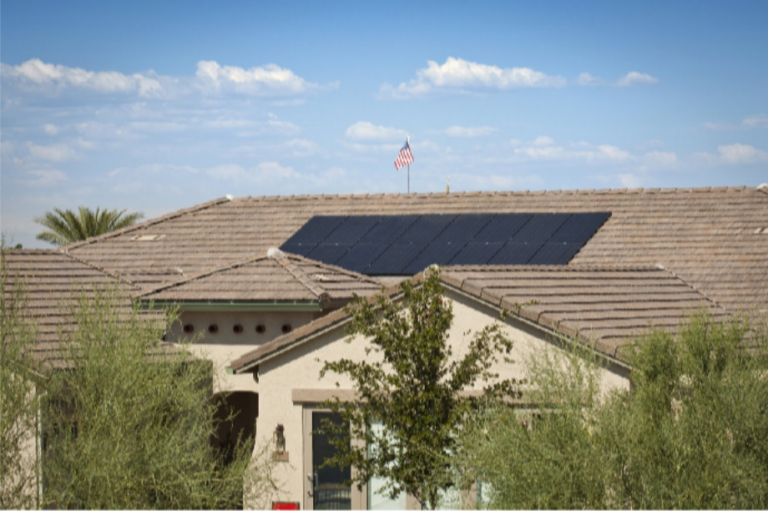
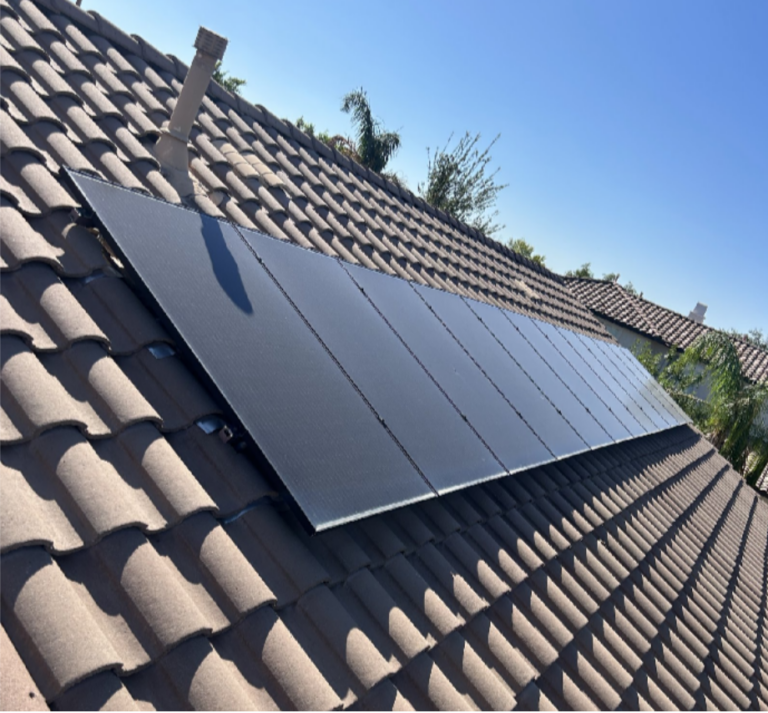
A solar system installation can give a home greater control over its energy production. Daylighting addresses another part of the equation by making better use of the natural resource already surrounding the home.
Both are examples of designing with intention.
How Solatubes Bring Daylight Inside
A Solatube captures sunlight at the roof and directs it through a highly reflective tube toward an interior ceiling fixture.
The compact footprint makes the technology particularly useful for spaces where a traditional skylight may not be practical. Solatube identifies bathrooms, closets, hallways, and other smaller interior spaces as applications for its residential daylighting systems.
That makes the technology interesting for Arizona homes with carefully planned roofs.
A homeowner considering solar panel installation may already be thinking about how much usable roof space is available. Daylighting introduces another consideration.
- Where does natural light belong?
- Where should solar panels be positioned?
- How can rooftop features coexist without compromising the overall design?
These questions are easier to answer when the roof is treated as a complete system.
Hallways Can Feel Completely Different With Daylight
Hallways are among the easiest places to overlook when designing a home.
A long corridor with no natural light can seem disconnected from the rest of the property. Daylight can change that perception.
A strategically placed Solatube can brighten the path between rooms and bring more attention to architectural details. Flooring, wall textures, artwork, and finishes can become more visible under natural illumination.
This matters in larger homes where hallways can extend deep into the floor plan. Instead of designing every space around where a light fixture can go, you can ask a different question:
Where can the home make better use of daylight?
That question reflects the broader idea of resiliency. Resiliency is not about expecting everything to go wrong. It is about creating strong foundations and thoughtful options so you can adapt when circumstances change.
Natural light is one small example of that philosophy.
Closets Need More Than Brighter Bulbs
A walk-in closet should make everyday routines easier.
Yet many closets have limited natural light. Dark corners can make it harder to distinguish colors, organize clothing, or see details on shelves.
A Solatube can bring daylight into these spaces without requiring a conventional window.
That can be especially useful in larger homes where closets may sit deep within the interior floor plan. Solatube specifically lists closets among the spaces suited to its smaller residential daylighting systems.
The benefit is practical, but the design implication is broader.
Every part of a home should have a purpose.
When homeowners explore residential solar installation, they often consider energy production, roof space, system design, and long-term performance. Daylighting encourages the same level of intentionality about interior spaces.
You are not simply adding another feature.
You are deciding how the home should function for years to come.
Bathrooms Do Not Have to Feel Closed Off
Bathrooms present a different challenge.
Privacy can make conventional windows difficult. Interior bathrooms may have no exterior wall. As a result, these rooms often rely almost completely on artificial lighting.
A Solatube can introduce natural light from above while maintaining the privacy that the space requires.
Solatube identifies bathrooms as another suitable application for its residential tubular daylighting systems.
For a thoughtfully designed home, this can make a meaningful difference.
A bathroom can feel brighter and more open during the day without becoming visually exposed. The ceiling fixture can also integrate more naturally into the room’s design than a large traditional skylight.
When solar panel installers are also considering the roof layout, daylighting can become part of the same planning conversation.
More Daylight Does Not Mean Ignoring Arizona’s Heat
Phoenix presents a unique design challenge.
Homeowners want abundant natural light, but they also need to think carefully about heat and energy performance.
A daylighting solution should therefore be selected and positioned with the Arizona climate in mind.
Solatube’s tubular systems are designed to deliver natural light through a compact roof opening while limiting the heat transfer associated with larger glazed openings.
That makes the concept particularly relevant in Phoenix.
The objective is not to add sunlight simply because more sunlight sounds appealing. It is to introduce daylight where it improves the home without overlooking the conditions that make Arizona different.
That same principle applies when working with solar contractors.
Good design considers the property as it exists, the environment around it, and how the finished system should perform over time.
A Resilient Home Gives You More Options
Resiliency has a simple foundation: build something strong enough to adapt. For a home, that means thinking beyond individual upgrades.
A quality roof creates physical resilience. Thoughtful energy systems can create greater energy independence and predictability. Quality construction protects the underlying asset. Daylighting can make better use of the natural environment around the property.
Together, these choices can create a home designed for changing circumstances.
That perspective is becoming increasingly relevant as energy costs, grid conditions, and other external factors continue to change. A resilient home does not depend on everything remaining exactly as it is today.
It gives the people inside it more options. That is an important distinction. Resiliency is not fear-based preparation. It is agency.
It means making smart decisions today because you want greater flexibility tomorrow.
For homeowners comparing solar installation companies, that philosophy can be useful when evaluating more than the equipment itself. Consider whether the company understands the property, the roof, the energy system, and the long-term goals behind the project.
The Roof Is Part of the Bigger Picture
A Solatube may be a relatively small addition, but it still belongs in the overall roof plan.
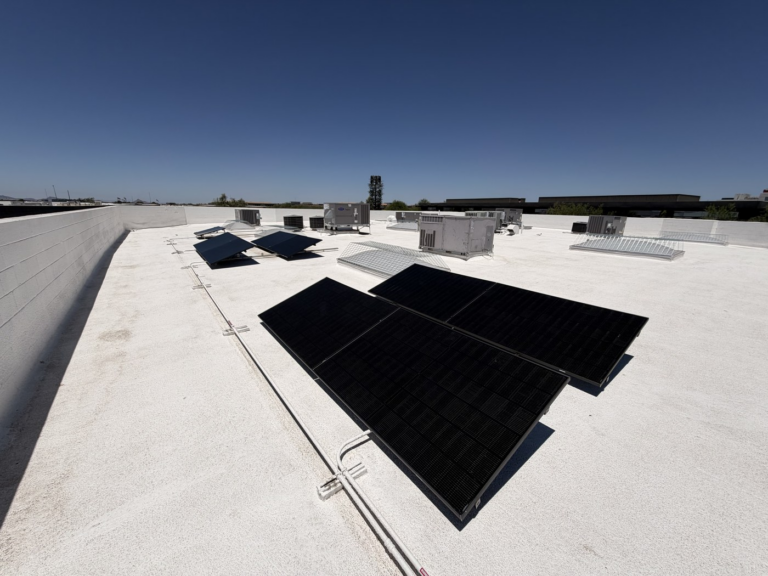
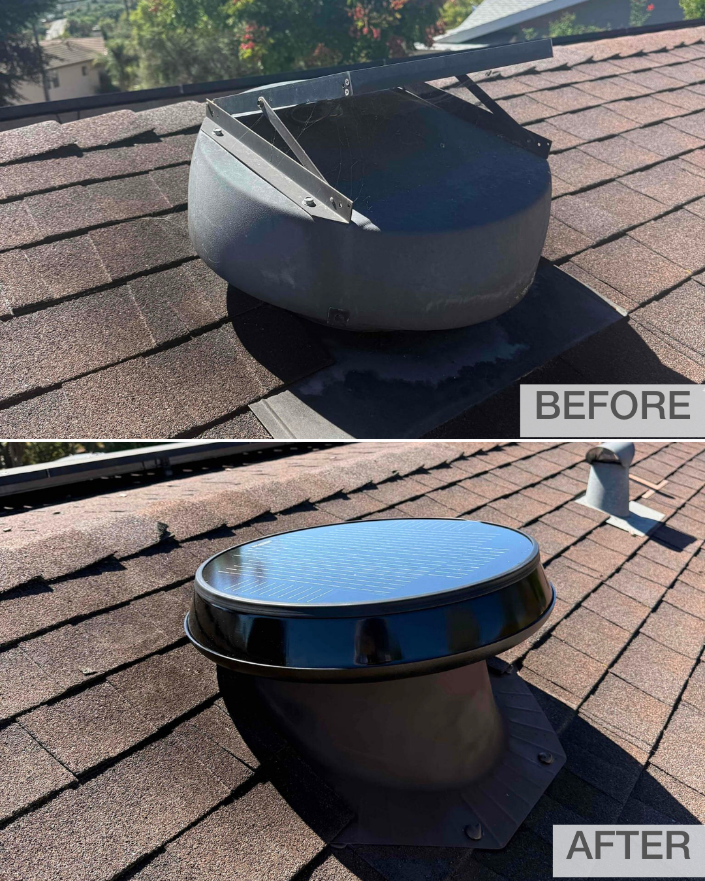
The same roof may need to accommodate solar panels, ventilation, access points, and other features. Every element needs appropriate placement and professional installation.
At American Solar & Roofing, we qualify a home’s roof before installing solar. We also understand how roofing and solar systems interact with the property as a whole.
That experience matters when planning solar energy and roofing work together.
It also changes how we think about daylighting.
The question is not simply whether you can put a Solatube somewhere on the roof. The better question is where it makes the most sense for the home.
A hallway may need it more than a bedroom. A windowless bathroom may benefit more than a room that already receives abundant daylight. A closet may be an ideal candidate when its location makes a conventional window impossible.
Good design starts with the way you actually live.
Build a Home That Works for You
Your home should give you room to live life your way.
That means creating spaces that feel good today while building a stronger foundation for tomorrow. Natural light, quality roofing, thoughtful construction, and a well-planned energy system can each contribute to that goal.
If you have a dark hallway, closet, bathroom, or another interior space that relies heavily on artificial lighting, a Solatube may be worth considering.
For homeowners researching solar panel companies, solar installation companies, or solar panel installers, this is also an opportunity to think beyond the panels.
Your roof is part of your home’s infrastructure.
Your energy system is part of its future.
And the small design decisions inside the home can influence how well the property serves you every day.
Explore our team to learn more about the people behind our work, request a free quote for your project, or contact us to discuss your home’s solar, roofing, and daylighting needs.
Build strong foundations today. Live life your way tomorrow.