Every so often we meet a homeowner with a solar system that never quite delivered. The production numbers trail the projections, the utility bills didn’t drop the way the sales pitch promised, and the panels sit up there looking perfectly fine — which makes the whole thing more frustrating. The instinct is to blame the hardware. The reality is almost always different: the panels are fine. The design failed them.
Modern solar panels are remarkably consistent performers. What varies wildly is everything around them — the orientation choices, the string configuration, the inverter selection, the thermal management. These are the decisions that licensed solar installers in Phoenix, AZ get right and cut-rate operators get wrong, and the gap between the two shows up on your production monitor every single month for 25 years. Solar is the catalyst of a modern home, but only when the engineering behind it respects the physics.
Orientation and Tilt: Where Production Is Won or Lost
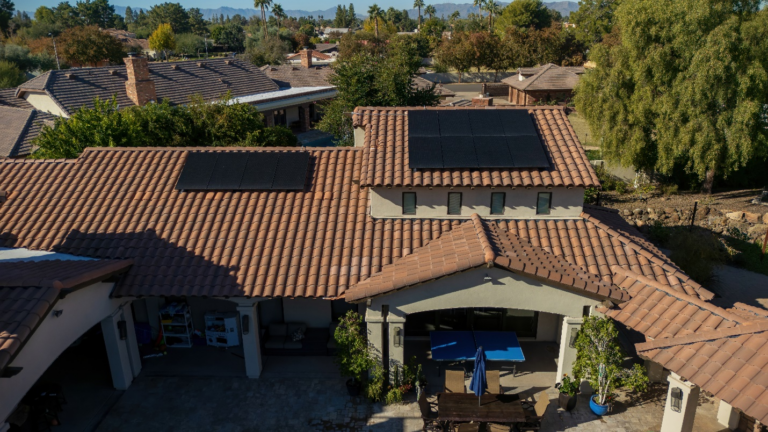
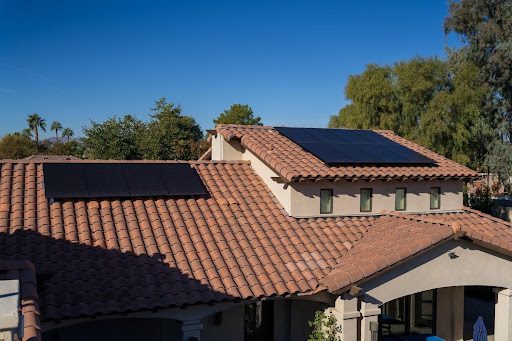
In Arizona, a south-facing array at the right tilt captures dramatically more annual energy than the same panels facing east at a suboptimal angle. That sounds obvious, yet underperforming systems routinely trace back to lazy placement — panels installed where they were easiest to mount rather than where they’d produce most. Complex rooflines demand real optimization work: splitting the array across planes, weighing morning versus afternoon production against the home’s usage pattern, and sometimes telling a homeowner that a smaller, better-placed system beats a bigger, badly-placed one. The National Renewable Energy Laboratory’s research on photovoltaic system performance consistently identifies siting and orientation as dominant factors in real-world output.
A thorough solar panel installation in Maricopa County, AZ starts with hour-by-hour shading analysis across the full year, because the sun’s path in June and December are entirely different stories. Skipping that analysis is how systems end up shaded every afternoon from March through September — precisely when Arizona homes need power most.
String Configuration and the Weakest-Link Problem
How panels are wired together matters as much as where they sit. In a traditional string configuration, panels wired in series perform at the level of the weakest panel — one shaded or soiled module drags down the whole string. Thoughtful design isolates shading-prone zones on their own strings or deploys module-level power electronics so every panel performs independently. This is exactly the kind of invisible decision that separates a professional solar roof installation in Phoenix, AZ from a rushed one: both look identical from the street, and only one performs to spec.
At American Solar & Roofing, we engineer string design and inverter selection around each roof’s specific shading reality — it’s one of the biggest reasons our systems hit their projections. If your current system is underdelivering, our service team can diagnose exactly why.
Thermal Management: Arizona’s Silent Production Thief
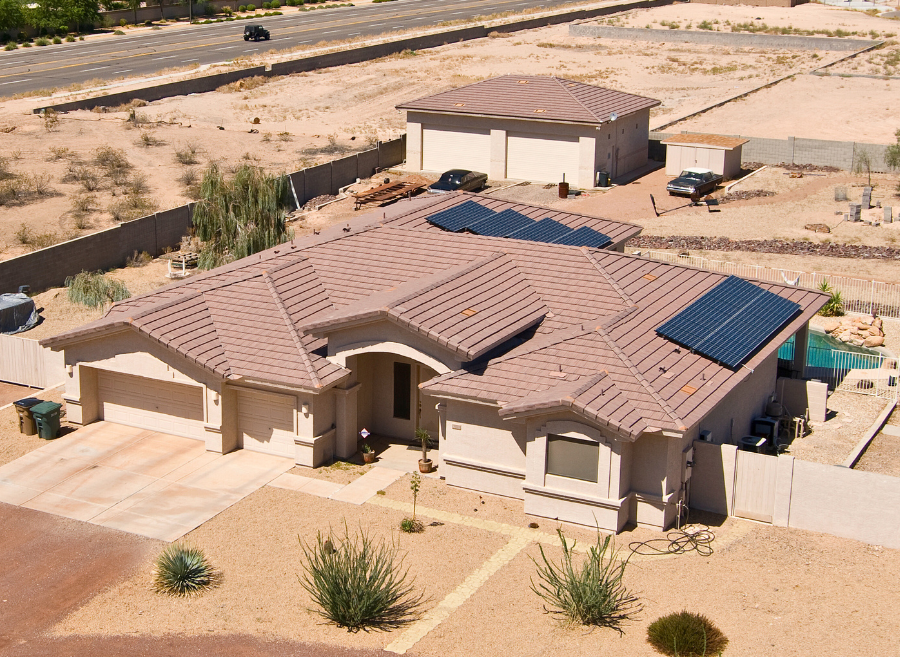
Here’s the counterintuitive one: solar panels lose efficiency as they heat up, and Arizona is very good at heating things up. Panel temperature routinely exceeds air temperature by 30 degrees or more, and every degree costs output. Good design fights back — mounting height that promotes airflow beneath the array, standoff configurations that let tile roofs breathe, and panel selection with strong temperature coefficients. The U.S. Department of Energy’s guidance on solar performance explains how heat management directly shapes real-world efficiency. When you upgrade your home with solar in this climate, thermal design isn’t a nice-to-have — it’s the difference between rated output and disappointing output, every summer afternoon for decades.
The Assessment That Predicts Everything
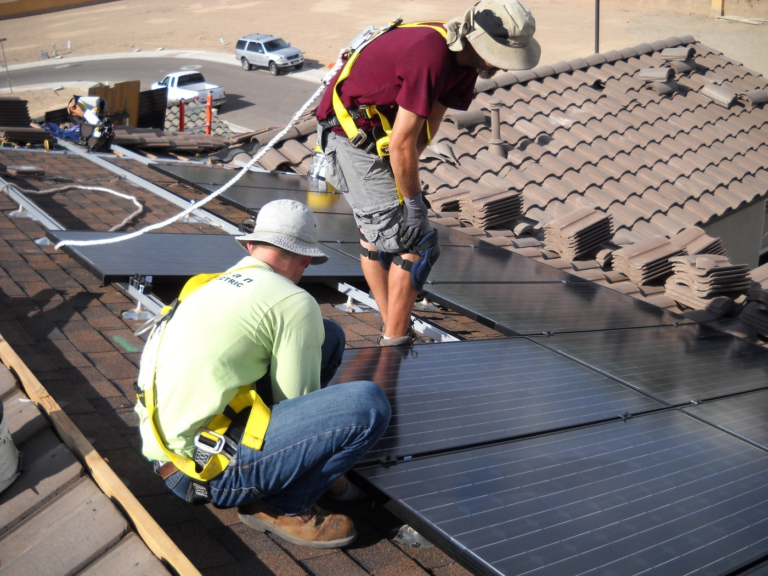
Underperforming systems share a common origin story: a shallow pre-installation assessment. No attic walk, no panel-level shading study, no twelve-month consumption analysis — just a satellite quote and a fast install. The homes hitting their projections had the opposite experience: a residential solar installer in Phoenix, AZ who treated design as the product and installation as its delivery. Live life your way — powered by a system that was engineered, not just assembled. That’s what separates the best solar company in Phoenix, AZ from the rest of the pack, and it’s visible in the production data every single day.
If there’s one takeaway, it’s this: panels don’t underperform — designs do. Solar powers your lifestyle at full strength only when orientation, wiring, inverters, and thermal management were all decided by someone who knew what they were doing. The hardware was never the question.
Get the Design Right — or Get Yours Diagnosed
Whether you’re planning a new system or wondering why your current one trails its projections, we’ll give you engineering-level answers. We’ve designed high-performing systems across the Valley for 25 years. Talk to our team and see the difference real design makes.