
Household energy use rarely stands still. A new pool, a second EV, a smart-home upgrade, or a room turned into a home office can change your electricity needs in a single year. Solar gives your home a way to keep up. When you work with top-rated solar installers in Gilbert, AZ, the system is designed around today’s usage with room for what comes next, from a garage charger to a backyard remodel. That forward-looking role is exactly why solar is the catalyst of a modern home: it makes each new upgrade easier to plan and power.
East Valley homeowners have trusted American Solar & Roofing since 2001. We are woman-owned and hold both solar and roofing licenses, which lets us design the solar system and evaluate the roof under it as one plan. Working as a solar energy company serving Gilbert, Arizona, we bring that same in-house design, roofing, and service support to every neighborhood in town, so you have one team responsible from the first visit onward.
Every home solar system installation in Gilbert we design starts with your actual bills, not an estimate based on square footage. Pool pumps, air conditioning, EV charging, and electric dryers all add up differently from one household to the next. We look at twelve months of usage, ask about upgrades you are considering, and size the system so it fits your plans for the next several years.
Electric vehicles deserve special attention. A typical EV adds a noticeable amount of household electricity use each month, and the U.S. Department of Energy’s home EV charging information explains how Level 2 chargers fit into a home’s electrical setup. Whether you already drive an EV or another one is on the way, we account for it now so you are not trying to add panels later.
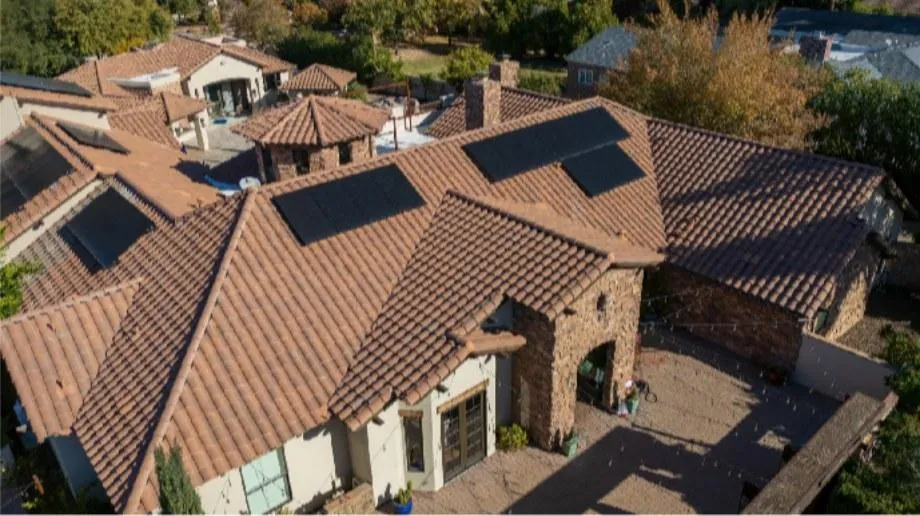
Many homes here are two stories with hip roofs, so they offer several smaller roof planes rather than one large one. We map each plane, check its orientation, and model shade from neighboring homes and mature trees. Panels go where they will produce well, and we keep the arrangement clean and intentional so it complements the home’s architecture from the street.
Some homeowners prefer to plan in phases. You might start with a system sized for today’s usage, then add panels once the EV arrives or the backyard remodel is finished. If that approach appeals to you, we design the first phase with room to grow by choosing inverter capacity, conduit size, and roof space that can accept more panels later without starting over.
Building in one of the newer communities? A new residential solar installation in Gilbert, Arizona, can be coordinated with your builder while plans are still flexible, including conduit routing, main panel capacity, and roof layout. Planning early keeps the finished system neat and gives you the option to turn it on at move-in.
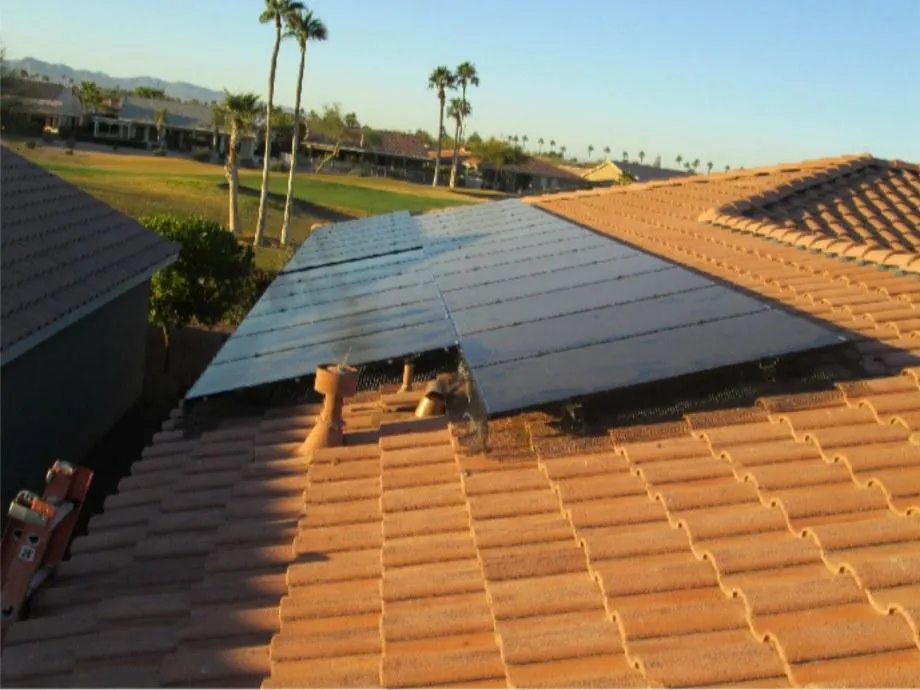
Long, bright days give the East Valley one of the strongest solar resources in the country. Photovoltaic panels respond to light rather than heat, and modern equipment is engineered for Arizona temperatures. We still design a solar panel installation in Gilbert, AZ, with summer in mind: inverters placed in shaded locations, wiring rated for high temperatures, and enough space under the modules for air to circulate.
Haboobs are the other part of the picture. Those towering walls of dust can coat panels in minutes and arrive with strong gusts. We engineer racking and roof attachments for local wind requirements, and we help you read your monitoring data so you can tell when dust is affecting output and when a rinse is worth doing. Designing for these storms upfront is what keeps the system dependable for decades instead of needing fixes after every monsoon.
Hail is uncommon here but not unheard of, and occasional spring and monsoon storms can bring small stones along with heavy rain. Solar panels are built with tempered glass that is tested for impact resistance, and the concrete tile around them is durable as well. If a storm ever leaves you concerned, our team can check both the array and the roof in a single visit, so you are not waiting on two different companies to sort it out.
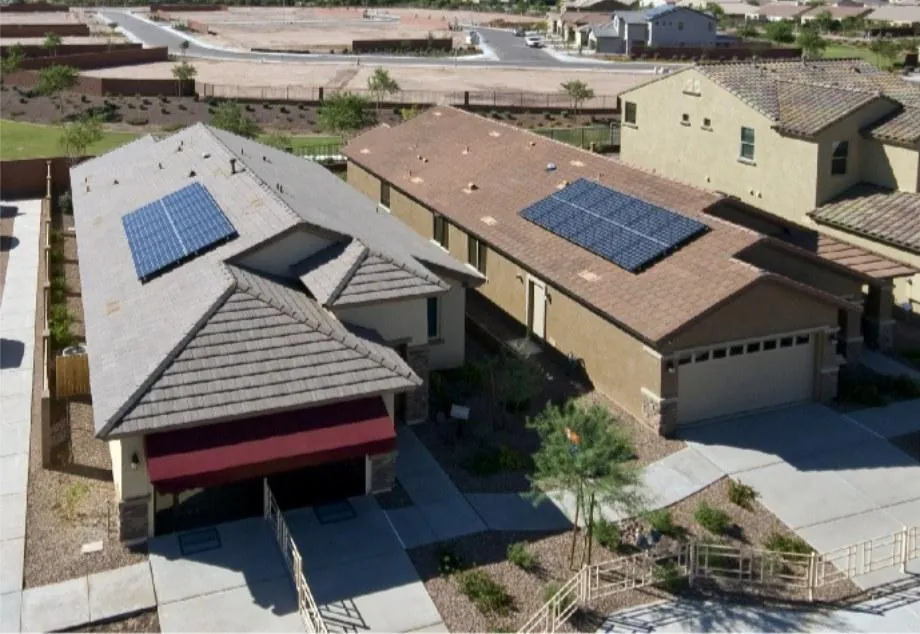
Summer nights here stay warm, and many people run the air conditioning well after sunset. Solar covers the daytime load directly, and a well-designed system can help offset evening use through your utility’s interconnection arrangement. We explain how your utility plan treats the power your roof sends to the grid, so you know exactly what to expect before you commit.
Solar also changes your relationship with the grid. Producing your own electricity means buying less from the utility and having more say over what you pay as rates change. The Department of Energy explains how grid-connected solar systems work alongside utility service, so your home still has power at night while your roof covers much of the daytime load. That balance is what energy independence looks like for most Arizona homeowners.
Ready to see what your roof can do? Book a site visit to get solar quotes in Gilbert, AZ, tailored to your household. We will show you a layout, expected production, and how the system lines up with your household’s usage.
Concrete tile is the standard roof across much of town, and it is durable. The underlayment beneath it is another story. In many homes built in the late 1990s and 2000s, that protective layer is approaching the end of its service life even when the tiles look fine. When you compare local solar companies in Gilbert, AZ, ask whether anyone will look beneath the tile before panels are installed.
Because we are licensed roofers as well as solar installers, we lift tiles in the work area to check the underlayment, flashing, and decking. If they are in good shape, we move forward. If the underlayment is worn, we can replace it in the section under the array or plan a broader roof project, so you are not removing panels a few years later to fix a leak.

Paperwork is part of protecting the roof, too. When roofing and solar come from the same company, the documentation lives in one place: the roof inspection notes, the photos of the underlayment, the mounting details, and the equipment warranties. If you ever sell the home or need service, everything is easy to find, and there is no debate between contractors about who installed what.
Two-story homes also bring access considerations. Steeper pitches and higher eaves mean crews need proper fall protection and careful ladder placement, especially above pool decks and landscaped side yards. We plan those details during the site visit so installation day runs smoothly and safely.
On tile, we use mounts flashed into the roof and replace any cracked tiles we encounter. That attention to the roof keeps water out through monsoon downpours and keeps the system and the house protected together.
For a busy Gilbert household, a turnkey solar installation in Gilbert, AZ, means fewer tasks competing for your attention. We manage engineering, HOA documentation, permits, inspections, utility interconnection, and scheduling while keeping you updated through one point of contact.
When comparing an affordable new solar installation in Gilbert, AZ, look at how each proposal handles the realities of a growing household. Roof preparation, EV or pool loads, production assumptions, warranties, and future service can matter more than a lower headline price.
Your project begins with a consultation and a site visit. We design a layout, review it with you, and make adjustments before anything moves forward. Once you approve, we handle permits and scheduling, and on-site installation usually takes just a few days. After the utility gives approval, we activate the system and show you how to follow production in the monitoring app.
Home offices deserve a mention, too. With more people working from home, daytime electricity use has climbed in many households. Computers, monitors, and the air conditioning that keeps an office comfortable all run while the panels are producing, which makes solar a natural match for remote work.
Installation days are planned with busy households in mind. We confirm the schedule ahead of time, let you know when power will briefly be off for the final connection, and keep gates closed so pets stay safely inside the yard. Crews work efficiently around school runs and work-from-home calls, and the project lead checks in at the end of each day.
Already have solar from a previous owner or another company? Our service team can review the production history, test the inverter, and check the roof around the array, then explain clearly what the system needs, if anything.
Many neighborhoods here have homeowners associations with design standards for solar. We prepare drawings and specifications for your HOA submission so the review goes smoothly.
Busy households appreciate a tidy job site. Crews protect yards, play areas, and pool decks and clean up thoroughly before they leave.
Planning for a busier household in the years ahead? Book a consultation with American Solar & Roofing, and we will design a system around your roof, your usage, and the upgrades on your list.
Yes. We serve homeowners across town, from established neighborhoods like Val Vista Lakes to newer master-planned communities such as Power Ranch and Agritopia, along with nearby Higley. Every home receives the same custom design, roof inspection, and support from our in-house service team after the system is running.
Gilbert system cost is closely tied to household growth: pool equipment, EV charging, electrical upgrades, roof condition, and the number of usable roof planes can all change the design. Our proposal separates those items so you can see what is required now and what is optional for later.
Gilbert’s sunshine and high daytime demand from air conditioning and pools make solar a practical option for many Arizona homeowners. We compare that opportunity with your roof orientation, shade, current bills, and planned loads before recommending a system size.
Yes. We can plan the charger circuit during the solar design and size the system to cover the added load. Handling both at once is simpler than retrofitting later, and it lets you see how much of your driving the roof can power. We can also plan the charger location so the cord reaches every parking spot in the garage.
Arizona law limits how much an association can restrict solar, though it may set reasonable placement rules. We provide the drawings and equipment details your HOA typically asks for and can answer technical questions during review.
Not always. The tile itself often lasts a long time, but the underlayment beneath it may be worn, especially on homes built around 2000. We inspect it during the assessment and recommend repairs only when they are truly needed. If replacement is wise, our roofers can handle it before the panels go on.
Heavy dust from a haboob can lower output until it is washed away. Your monitoring app shows when production dips, and if cleaning is needed, it should be done gently with soft water and no harsh tools to protect the glass, wiring, and warranty. Rain helps, but it rarely removes heavy buildup on its own.
Call us. Our in-house service team handles monitoring questions, equipment issues, and roof concerns around the array, so you always know who to contact. We review the data first and come prepared for what the system is showing.
Usually, yes. Adding panels is simplest when the original system was designed with expansion in mind, so tell us about likely changes during the consultation. We can size the inverter and wiring to accept additional panels, or plan a second array on another roof plane. You will see the difference in the app within days.
Yes. Solar runs independently of your thermostat, but the two work well together. Many homeowners pre-cool the house during peak production hours, and the monitoring app makes it easy to see how those changes affect what the roof is covering.