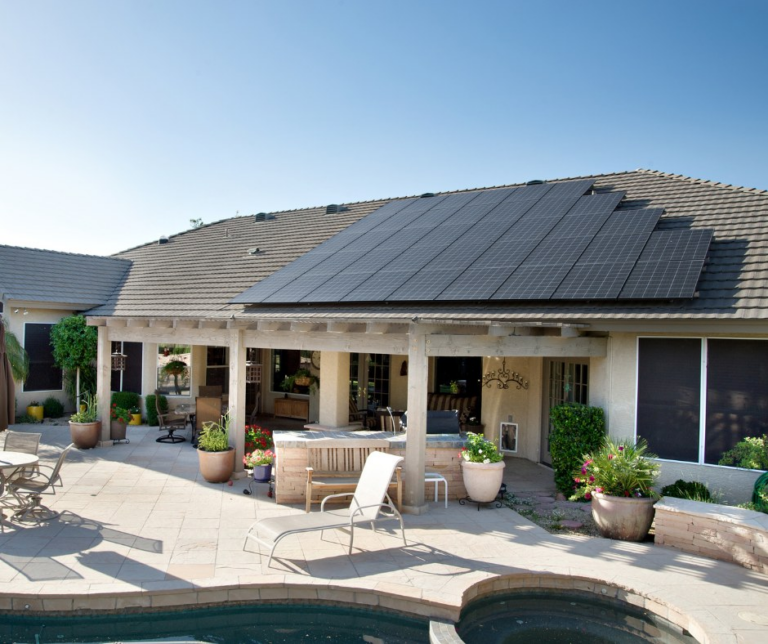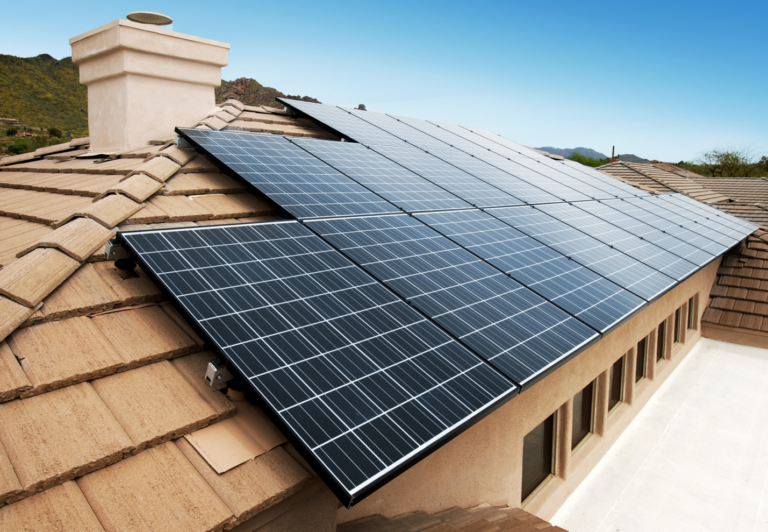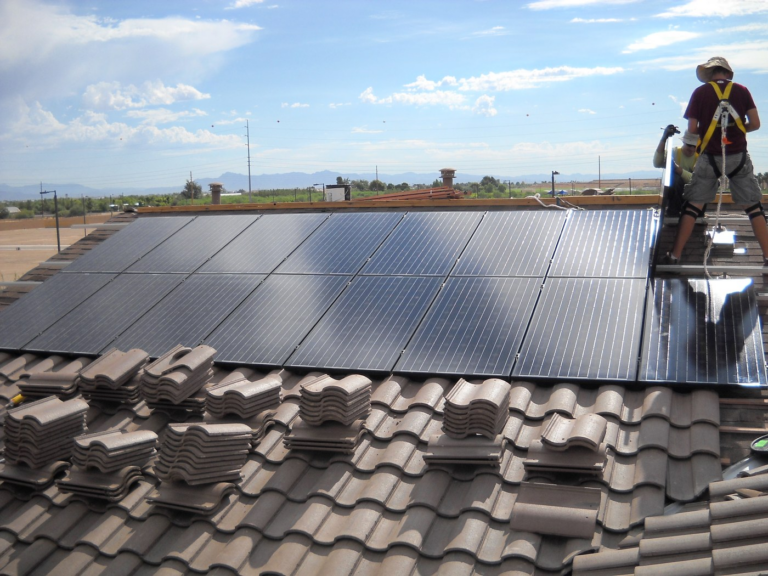
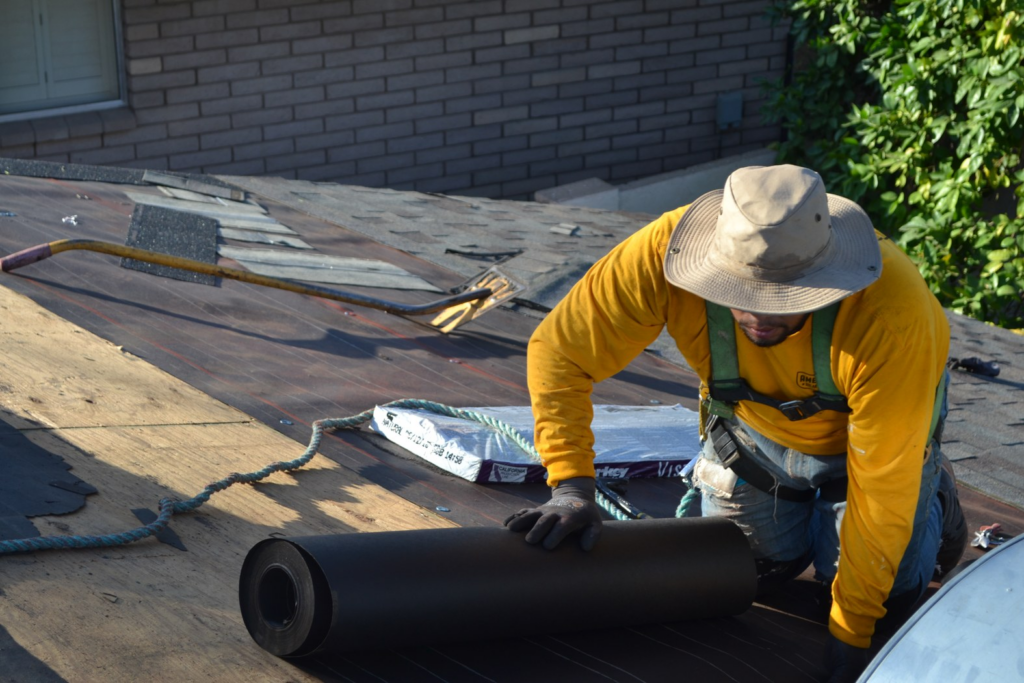
Tile roofs can remain visually sound even when the waterproofing components beneath them have aged. In many Arizona homes, the tile and underlayment do not have identical service lives, which makes it important to assess the full roof assembly before adding solar. If the underlayment is approaching replacement, installing panels first can add extra coordination later if roof work becomes necessary.
Understanding this is essential before committing to a roof replacement with solar in Phoenix, AZ, because the condition of the underlayment can affect how roof and solar work should be sequenced. Solar is the catalyst of a modern home, but that catalyst depends entirely on the roof beneath it. On a tile roof, the part that matters most is the part you cannot see, which is exactly why a knowledgeable, roof-first approach helps you plan the roof and solar work with the full service timeline in mind.
The Tiles Last, the Underlayment Does Not
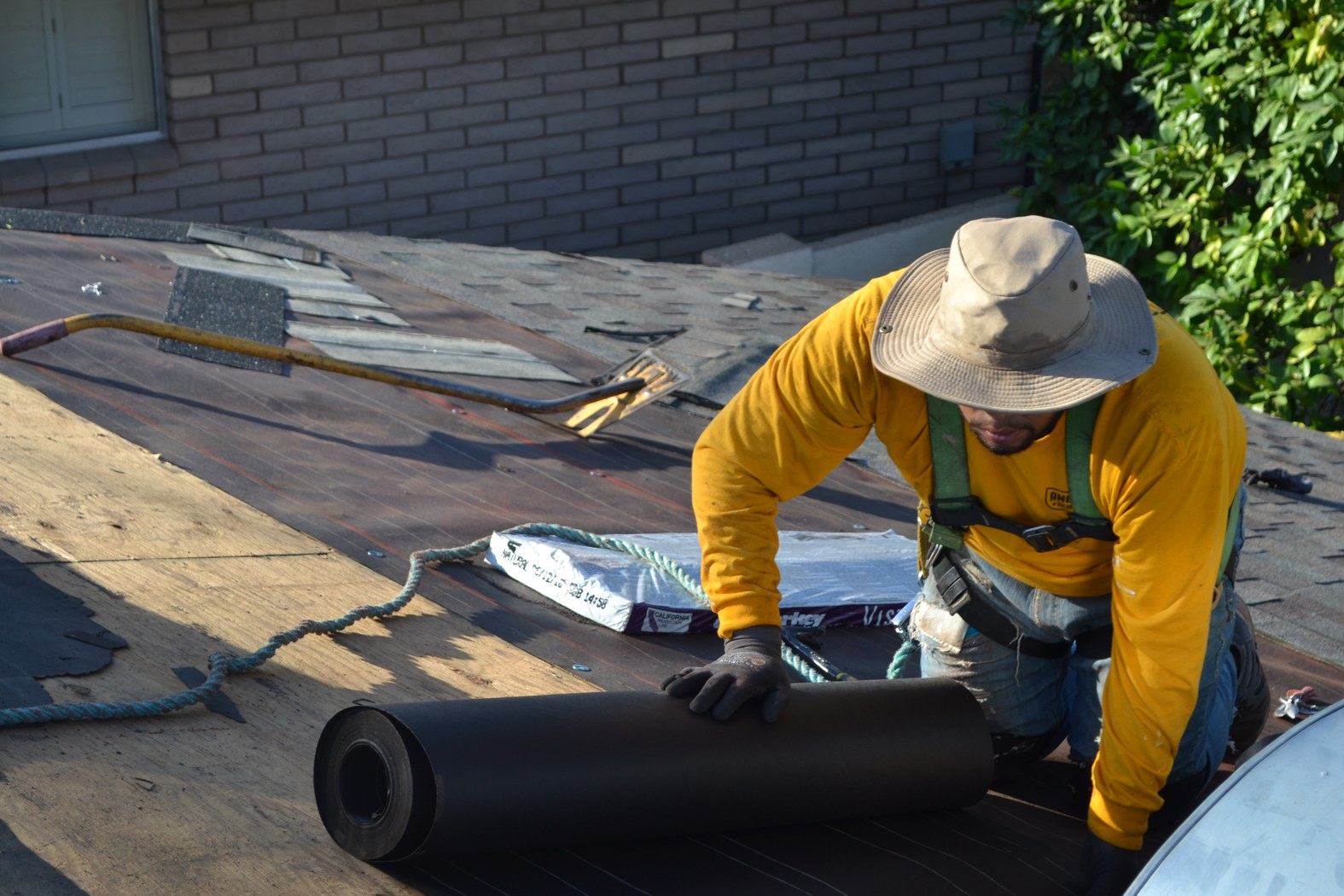
Tile is durable, but the underlayment beneath it can age at a different rate depending on its material, installation, ventilation, exposure, and maintenance. Arizona heat can contribute to that aging, so a roof may still look good from the street while the waterproofing layer beneath the tile deserves closer evaluation. A knowledgeable roofing contractor looks past the surface and evaluates what is actually keeping water out. This is where working with experienced residential roofing contractors in Phoenix, AZ makes all the difference, because they read the whole roof, not just the tiles.
The U.S. Department of Energy’s guidance on evaluating a roof before solar stresses assessing a roof’s true condition and remaining life before installation. On a tile roof, that means inspecting the underlayment, not just admiring the tiles. When you upgrade your home with solar, this honest assessment is the caring step that helps you reduce the likelihood of a future panel removal and reinstallation that could have been anticipated during planning.
Why This Quietly Becomes a Solar Problem
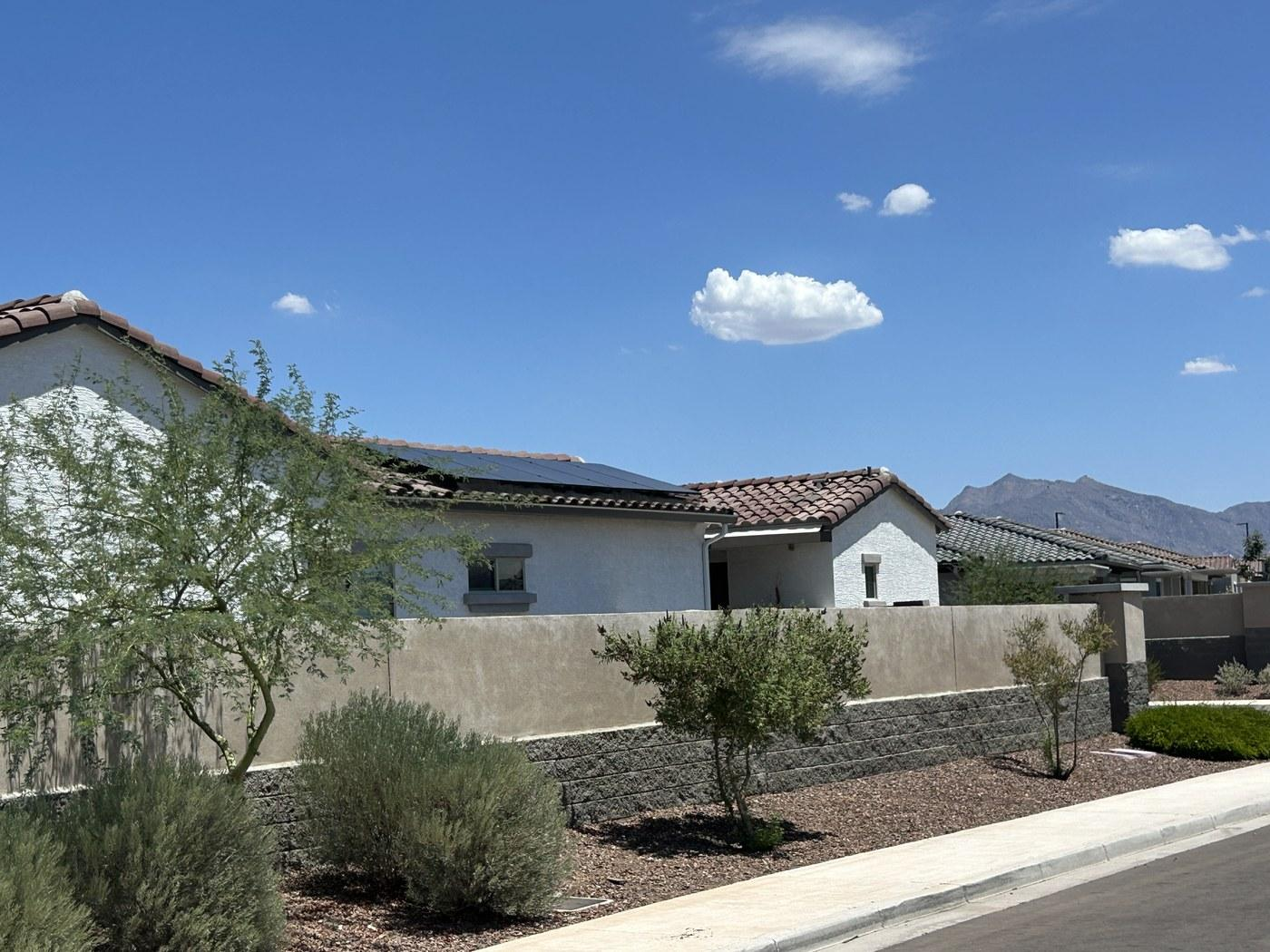
Solar panels are designed to last 25 to 30 years. If you mount them over underlayment with only a few years of waterproofing left, future roof work may require additional coordination. If the underlayment later requires replacement, the solar array may need to be removed and reinstalled so the roofing work can be completed.
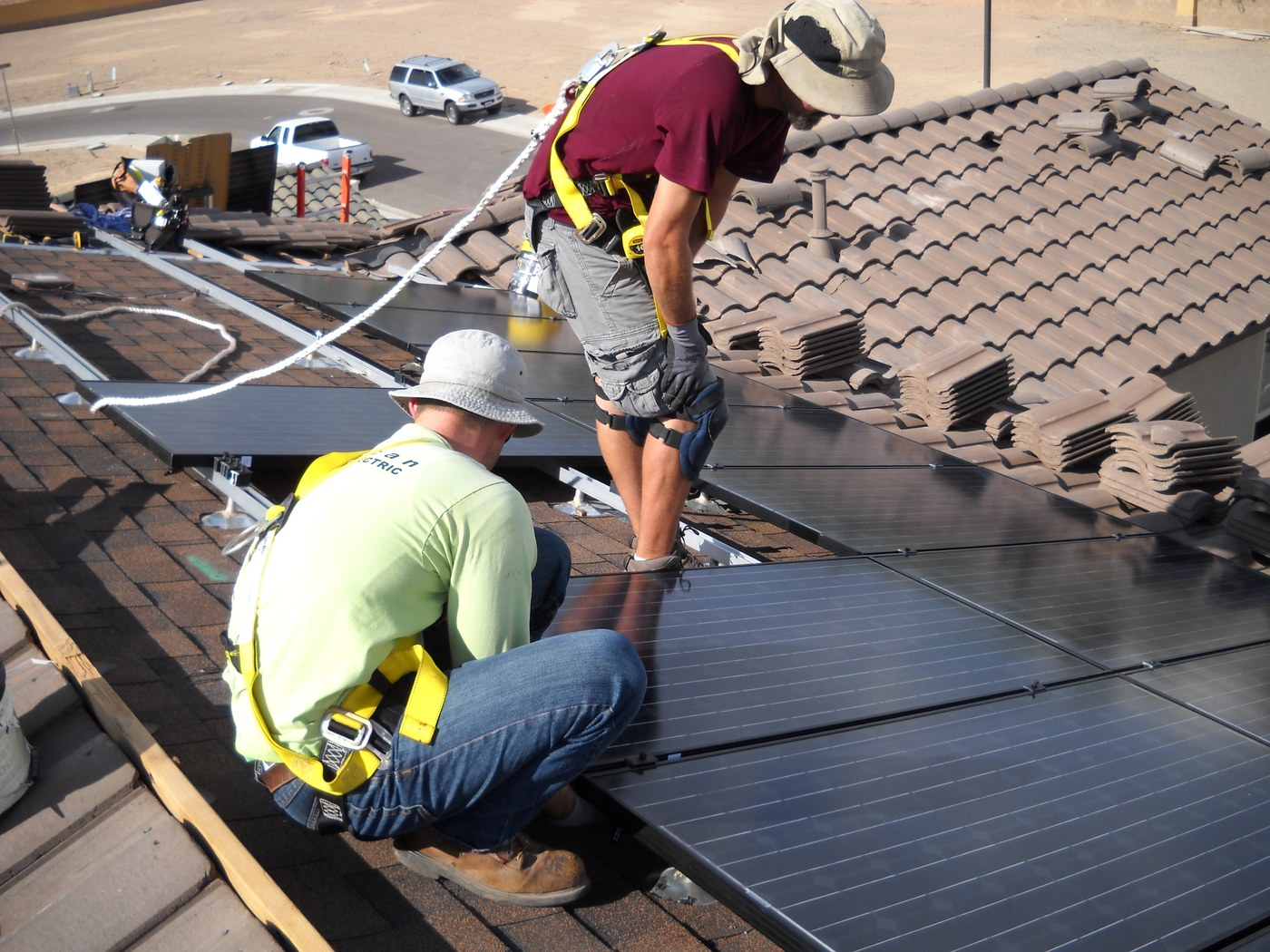
Removal and reinstallation can add cost and complexity to future roof work. Coordinating the roof work before a solar panel installation in Maricopa County, AZ can help reduce that risk by evaluating and, when appropriate, addressing the underlayment first. Thoughtful solar and roofing contractors plan for the underlayment’s lifespan, not just the tile’s, because they are thinking about the next 25 years rather than just installation day.
This is where genuine dual expertise proves its worth. A company that handles both roofing and solar can evaluate the underlayment, recommend replacement when it is needed, and coordinate the two projects so they align. That protective foresight is what keeps a home resilient and its power flowing without interruption for decades.
Planning Prevents the Expensive Version
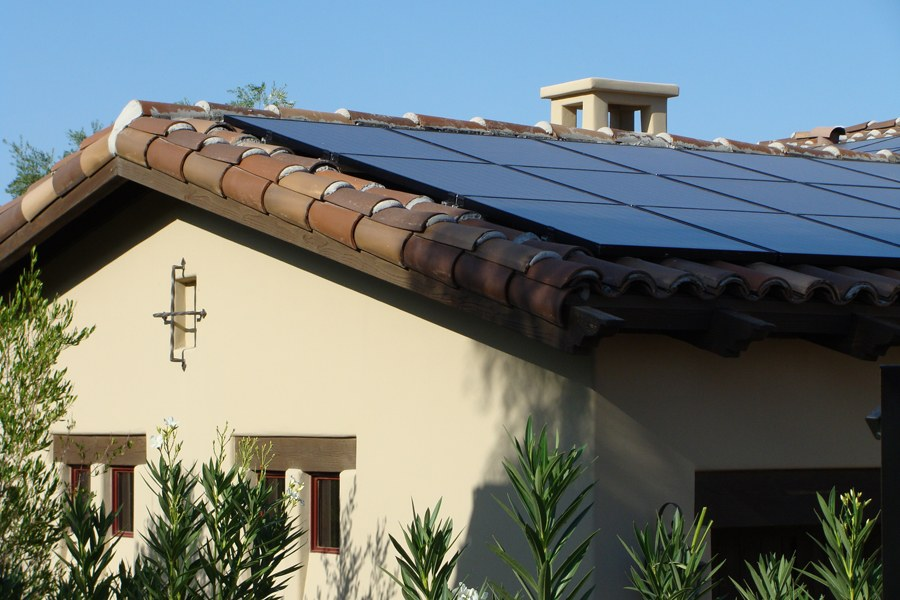
The smart move on an aging tile roof is to address the underlayment before installing the panels. If yours is nearing the end of its life, replacing it as part of a coordinated project means the waterproofing and the solar system start fresh together and age as one. This can reduce near-term duplication of work, while future maintenance needs and project costs will still vary by home. A dependable solar energy company in Phoenix, Arizona can help evaluate the timing based on the roof’s condition and the homeowner’s plans. The National Renewable Energy Laboratory’s research on solar project costs provides broader context on solar project cost considerations.
For homeowners with a tile roof, the takeaway is simple. Have the underlayment evaluated before you commit to solar, and let a team that understands both trades guide the timing. Solar powers your lifestyle best when the foundation beneath it was planned with the full timeline in mind, keeping your home resilient and self-reliant for years to come. Live life your way, without a hidden underlayment problem waiting to surface.
Let’s Check What’s Beneath Your Tiles
Before you put panels on a tile roof, let us evaluate what’s really underneath them. We’ll assess your underlayment, tell you honestly how it’s doing, and coordinate your roof and solar work with long-term service needs in mind. Have our team assess your tile roof today.