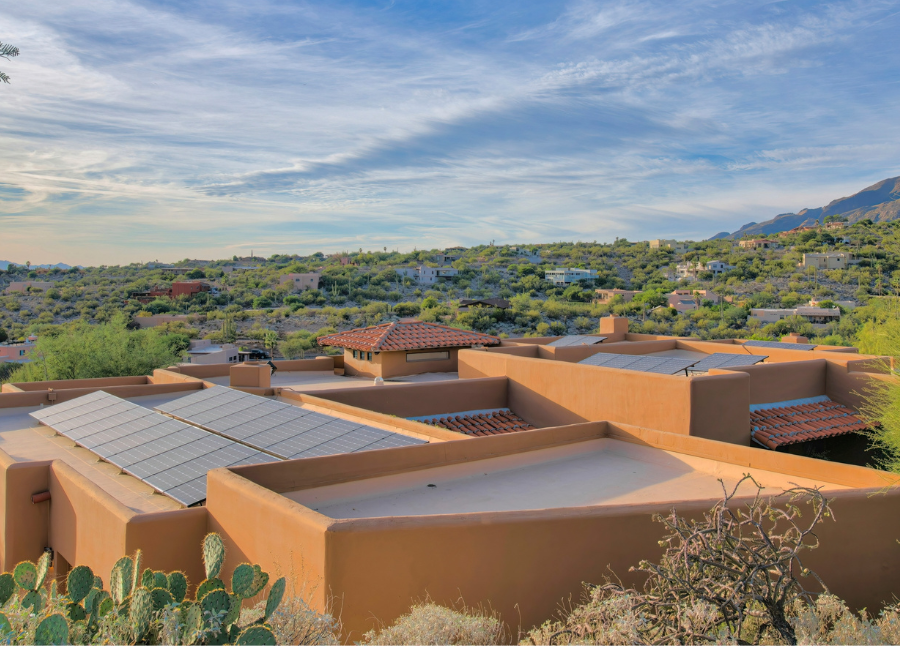
Here’s a question worth sitting with: when did you last think about your roof? Not because of a leak, not because a storm came through, but simply because you were thinking about your home’s performance? For most homeowners in Phoenix, the honest answer is never. The roof exists in the background — a sunk cost, an afterthought, something that’ll get attention when it demands attention.
That mindset is expensive. At 3,000 square feet or more, your roof isn’t a passive layer of protection. It’s one of the most active thermal and structural systems on your property. It absorbs heat, deflects or retains moisture, and determines how hard your HVAC system works, either extending the life of the systems beneath it or quietly accelerating their wear. The roof you have right now is doing something — the question is whether it’s working for you or against you.
The Thermal Reality of a Phoenix Roof
Arizona summers are relentless. Phoenix regularly records summer temperatures above 110°F, and a significant portion of that heat enters your home through the roof. Research from Arizona State University and published studies on urban heat island mitigation have shown that roofing materials and their reflective properties play a direct role in regulating interior temperatures and reducing cooling energy demand. A roof with low thermal performance isn’t just uncomfortable — it forces your cooling system to compensate constantly, driving up energy consumption across the entire home.
High-performance roofing materials, including cool-roof systems and properly ventilated tile or shingle assemblies, reduce the amount of radiant heat transferred into your living spaces. For a large home, the difference between a high-performing roof and a deteriorating one can translate into meaningfully lower cooling loads across Phoenix’s six-plus months of intense heat. This is the kind of detail that residential roofing contractors in Phoenix, AZ, with real expertise, take seriously — and that homeowners who treat roofing as a commodity miss entirely.
What a Roof Inspection Actually Reveals
A professional roof inspection isn’t just a checklist of damage. It’s a diagnostic. Licensed contractors evaluate underlayment condition, flashing integrity, decking soundness, tile or shingle wear patterns, attic ventilation, and how the existing system interacts with anything installed on or around it. In Phoenix’s climate, UV degradation accelerates faster than in most U.S. markets — roofing materials here face conditions that would take years longer to produce in cooler climates.
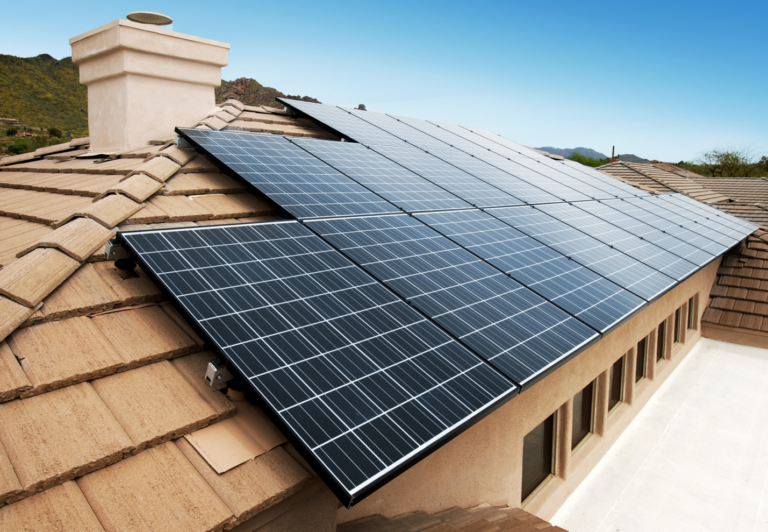
For homeowners considering solar, a roof inspection takes on added significance. Rooftop solar systems are designed to last 25 to 30 years. Installing them on a roof with 8 to 10 years of life remaining means you’ll face costly removal and reinstallation before your system reaches its peak performance window. Understanding your roof’s actual condition — not an approximation — is the starting point for any meaningful home performance decision.
Not sure where your roof actually stands? Our team conducts thorough roof assessments across the Phoenix metro — evaluating everything from structural integrity to solar readiness. Book your inspection with American Solar & Roofing here.
Roofing as Infrastructure, Not Maintenance
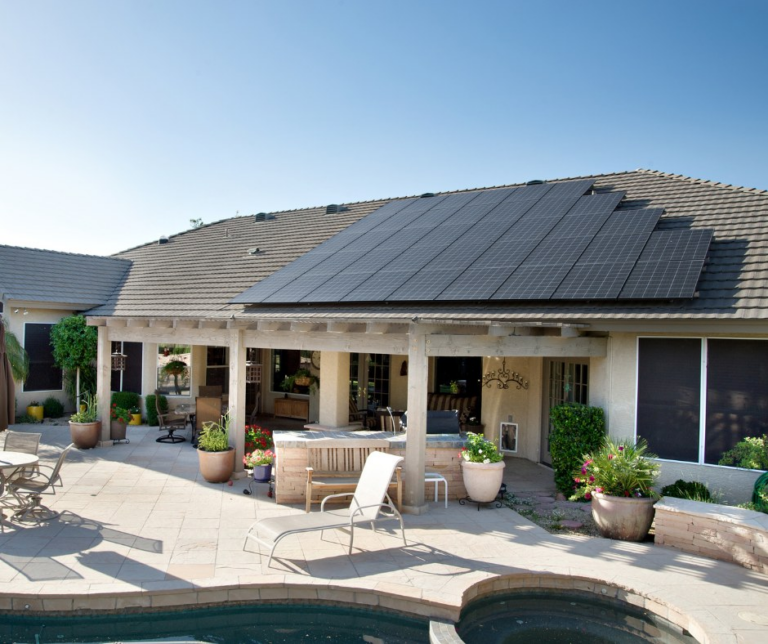
The most forward-thinking homeowners in the Phoenix metro no longer treat roofing as a maintenance category. They treat it as infrastructure. A well-designed roofing system, installed by experienced solar and roofing contractors in Phoenix, AZ, sets the structural and thermal foundation for everything above it — including the solar arrays that are becoming a defining feature of premium homes throughout Maricopa County.
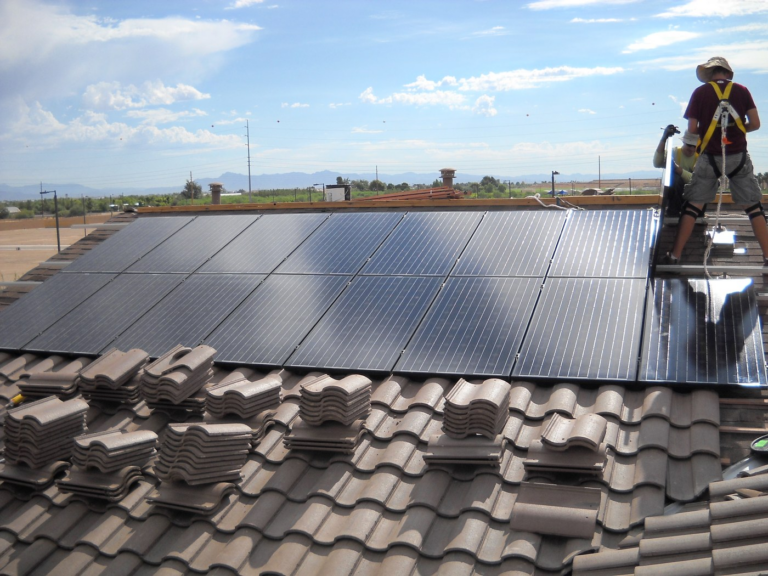
The roof also directly affects the warranties and long-term performance of any solar installation. Mounting hardware anchors into the roof structure, and the condition of that structure determines whether those anchor points hold cleanly for decades or create future problem areas. A roof that’s been properly maintained, or replaced with solar readiness in mind, simplifies installation, preserves warranty coverage, and reduces the likelihood of issues down the line.
A 2021 analysis published by the U.S. Department of Energy noted that solar panels and roof replacements have nearly identical lifespans — approximately 25 to 30 years — making coordinated planning between the two systems not only logical but also financially sound. Treating them as separate decisions is how homeowners end up paying twice. You can read more about roofing’s role in solar performance from the U.S. Department of Energy’s guide on roof replacement and solar and the ASU-affiliated research on high-albedo roofing in Arizona climates.
What This Means for Your Home Right Now
If your roof is more than 12 to 15 years old, it deserves a serious look — not because something is visibly wrong, but because the conditions that degrade roofing systems in Phoenix operate beneath the surface. Cracked underlayment, compromised flashing, and early-stage deck issues don’t announce themselves. They compound quietly until the repair required is significantly more disruptive than it would have been two years earlier.
A home’s roof should match the ambition of everything inside and around it. If you’re investing in smart systems, premium appliances, or a solar installation for your Phoenix property, the roof that supports them should be built to the same standard. Anything less is a ceiling on your home’s performance — literally.
Ready to Find Out What Your Roof Is Actually Doing?
At American Solar & Roofing, we’ve spent 25 years evaluating roofs across the Phoenix metro and building systems that perform at the level your home deserves. If you want a clear-eyed assessment of where your roof stands — and what it could be doing better — reach out to our team. We’ll give you a thorough inspection and honest guidance, no pressure, no assumptions. Request your roof assessment here.